


Introduction
Workplace safety is not just a legal requirement—it is a life-saving responsibility. Every year, thousands of workplace accidents occur due to unsafe practices, lack of awareness, and poor risk management. Whether you work in construction, warehouses, or industrial environments, understanding safety principles is essential to protect lives and improve productivity.
This ultimate guide covers everything you need to know about workplace safety, including rules, hazard identification, risk assessment, and personal protective equipment (PPE).
Quick Workplace Safety Summary
✔ Always wear appropriate PPE
✔ Identify hazards before starting work
✔ Follow safety procedures strictly
✔ Report unsafe conditions immediately
✔ Maintain proper housekeeping
✔ Attend safety training regularly
1. Construction Safety Rules
Construction sites are high-risk environments where strict safety rules must be followed.
Key Safety Rules:
- Always wear helmets, gloves, and safety shoes
- Use fall protection when working at heights
- Inspect ladders and scaffolding before use
- Follow proper lifting techniques
- Never bypass safety systems
👉 Read full guide:
https://safetybeyondrules.blogspot.com/2026/03/construction-safety-rules-15-essential.html
2. Hazard Identification in the Workplace
Hazards are potential sources of harm that can cause injuries or accidents.
Types of Hazards:
- Physical hazards (noise, heat, machinery)
- Chemical hazards (toxic substances)
- Biological hazards (bacteria, viruses)
- Ergonomic hazards (poor posture)
Steps to Identify Hazards:
- Inspect the workplace
- Observe worker activities
- Review past incidents
- Identify potential risks
👉 Read full guide:
https://safetybeyondrules.blogspot.com/2026/03/hazard-identification-risk-assessment.html
3. Risk Assessment Process
Risk assessment helps prevent accidents by evaluating hazards.
Steps in Risk Assessment:
- Identify hazards
- Analyze risks
- Evaluate severity
- Implement control measures
- Monitor and review
4. Personal Protective Equipment (PPE)
PPE is the last line of defense against workplace hazards.
Common PPE:
- Safety helmets
- Gloves
- Goggles
- Respirators
- Safety shoes
PPE Rules:
- Always wear PPE in designated areas
- Inspect PPE before use
- Replace damaged equipment
5. Fire & Electrical Safety
Fire Safety Tips:
- Keep fire extinguishers accessible
- Avoid overloading electrical circuits
- Store flammable materials safely
- Conduct regular fire drills
Electrical Safety Tips:
- Turn off the power before maintenance
- Use insulated tools
- Avoid exposed wires
6. Workplace Safety Checklist
✔ PPE worn properly
✔ Equipment inspected
✔ Emergency exits clear
✔ Fire extinguishers available
✔ Hazards identified and controlled
✔ Workers trained
7. Frequently Asked Questions (FAQ)
Q1: What is the most common workplace hazard?
Falls, especially in construction sites, are the most common hazard.
Q2: Why is PPE important?
PPE protects workers from injuries when hazards cannot be eliminated.
Q3: What is risk assessment?
It is the process of identifying and controlling workplace hazards.
Conclusion
Workplace safety is a shared responsibility between employers and employees. By following safety rules, identifying hazards, and using proper PPE, accidents can be prevented effectively. A safe workplace not only protects lives but also improves efficiency and productivity.
Start implementing these safety practices today to build a safer tomorrow.
About the Author
Anwar Basha is an HSE & Warehouse Safety Specialist with expertise in workplace safety, hazard identification, and risk management. He helps organizations create safer environments through practical safety strategies and training.





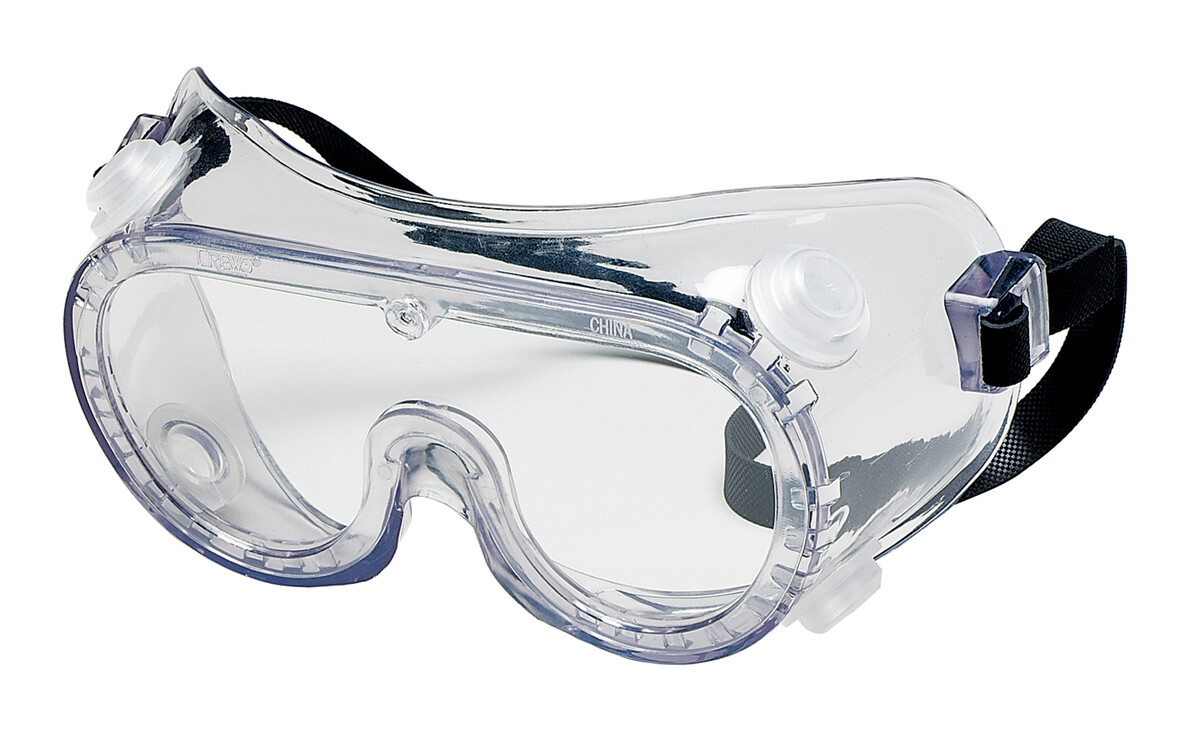


: Rules, Hazards, Risk Assessment & PPE)
0 Comments
Share your thoughts, experience, or safety tips related to this topic. Let’s learn from each other and build safer workplaces together.