

.png) Top 15 Fall Protection Mistakes & Fixes for Construction Sites (2026–2027 Guide)
Top 15 Fall Protection Mistakes & Fixes for Construction Sites (2026–2027 Guide)
.png)
By Anwar Basha | HSE & Construction Safety Specialist
Falls remain the leading cause of injuries and fatalities on construction sites worldwide. Despite strict regulations, many workers still make avoidable mistakes that put their lives at risk. This guide highlights the top 15 fall protection mistakes, how to fix them, and actionable steps for supervisors, safety officers, and workers to stay safe in 2026–2027.
Table of Contents (optional)
- Why Fall Protection Matters in 2026
- Top Hazards / Mistakes to Avoid
- 15 Essential Fall Protection Rules / Checklist
- Must-Have PPE & Equipment
- How to Train Your Team / Toolbox Talk Ideas
- FAQs
- Conclusion
Why Fall Protection Matters in 2026
Falls account for over 35% of construction site fatalities globally. According to OSHA and recent industry reports:
- OSHA Regulation 1926 Subpart M mandates proper fall protection for any work 6 feet or higher.
- Construction sites with inadequate fall protection can face fines up to $70,000 per violation.
- Worker safety programs reduce falls by up to 60% when properly implemented.
💡 Key takeaway: Fall protection is not optional—it’s a legal and ethical requirement.
Top Hazards / Mistakes to Avoid
- Using unsecured ladders or scaffolds
- Failing to inspect personal fall arrest systems (PFAS)
- Skipping guardrails or safety nets
- Overloading scaffolding platforms
- Ignoring training and toolbox talks
- Poor anchorage points or using damaged anchor straps
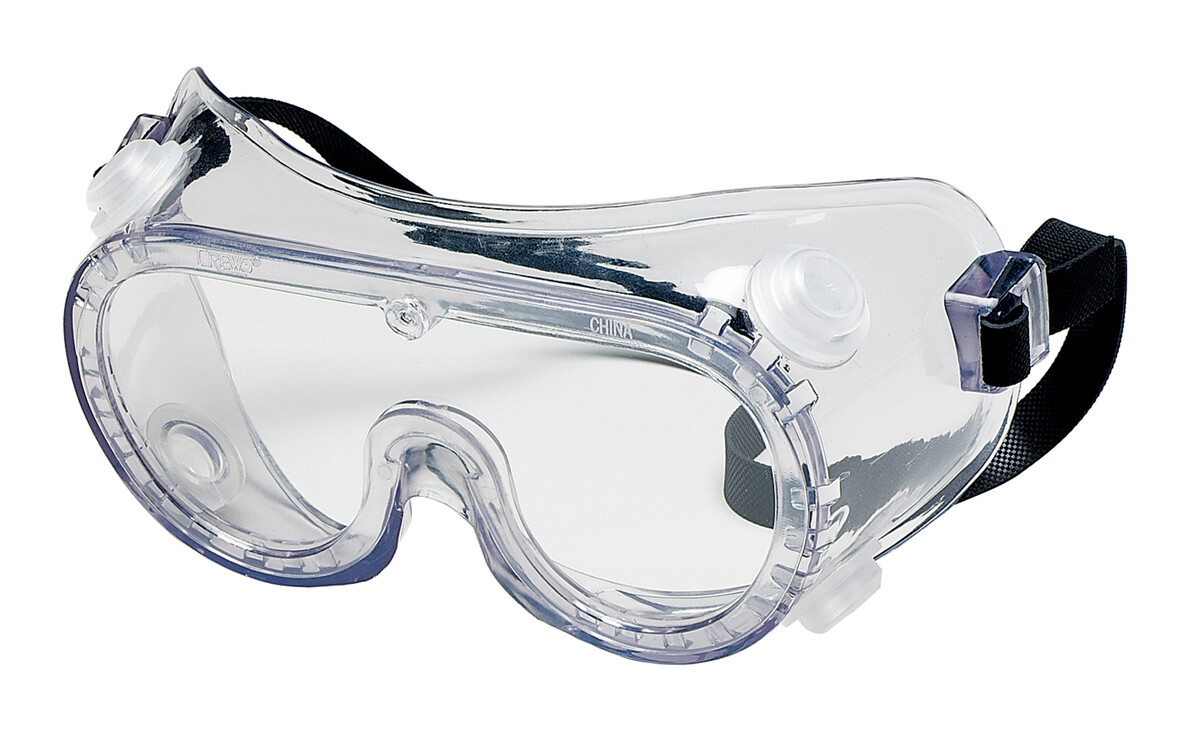
- Not wearing proper PPE
- Relying on improvised fall protection methods
15 Essential Fall Protection Rules / Checklist
- Always Wear a Full-Body Harness – Ensure harnesses fit snugly and check for wear and tear. Example: A loose harness can fail during a fall.
- Inspect Fall Protection Gear Daily – Check lanyards, carabiners, and ropes before each use.
- Use Guardrails on All Elevated Platforms – Prevent accidental edge falls with compliant guardrails.
- Install Safety Nets Where Needed – For multi-story work, nets add an extra safety layer.
- Anchor Points Must Be Certified – Use manufacturer-approved anchors capable of supporting at least 5,000 lbs per worker.
- Follow Ladder Safety Protocols: maintain three-point contact; never lean or overreach.
- Maintain Clear Work Zones – Remove debris to prevent slips and trips near edges.
- Use Proper Scaffolding Techniques – Never use damaged scaffolds; level the base and secure all components.
- Train Workers on Rescue Plans – Workers must know how to respond in the event of a fall.
- Limit Fall Distance with Lanyards – Use shock-absorbing lanyards to reduce impact.
- Avoid Unauthorized Access to Elevated Areas – Use barricades and signage.
- Implement a Fall Protection Plan – Document procedures, responsibilities, and equipment used.
- Supervise High-Risk Tasks Closely – Assign a safety officer for critical work at heights.
- Update PPE & Gear Regularly – Replace worn harnesses and lanyards per manufacturer guidelines.
- Conduct Regular Toolbox Talks – Reinforce fall protection knowledge weekly or before high-risk projects.
Must-Have PPE & Equipment
To protect workers effectively, you need certified PPE:
- Full-Body Harness – Amazon Link
- Shock-Absorbing Lanyard – Amazon Link
- Anchor Straps & Connectors – Amazon Link
- Guardrails & Safety Nets – Amazon Link
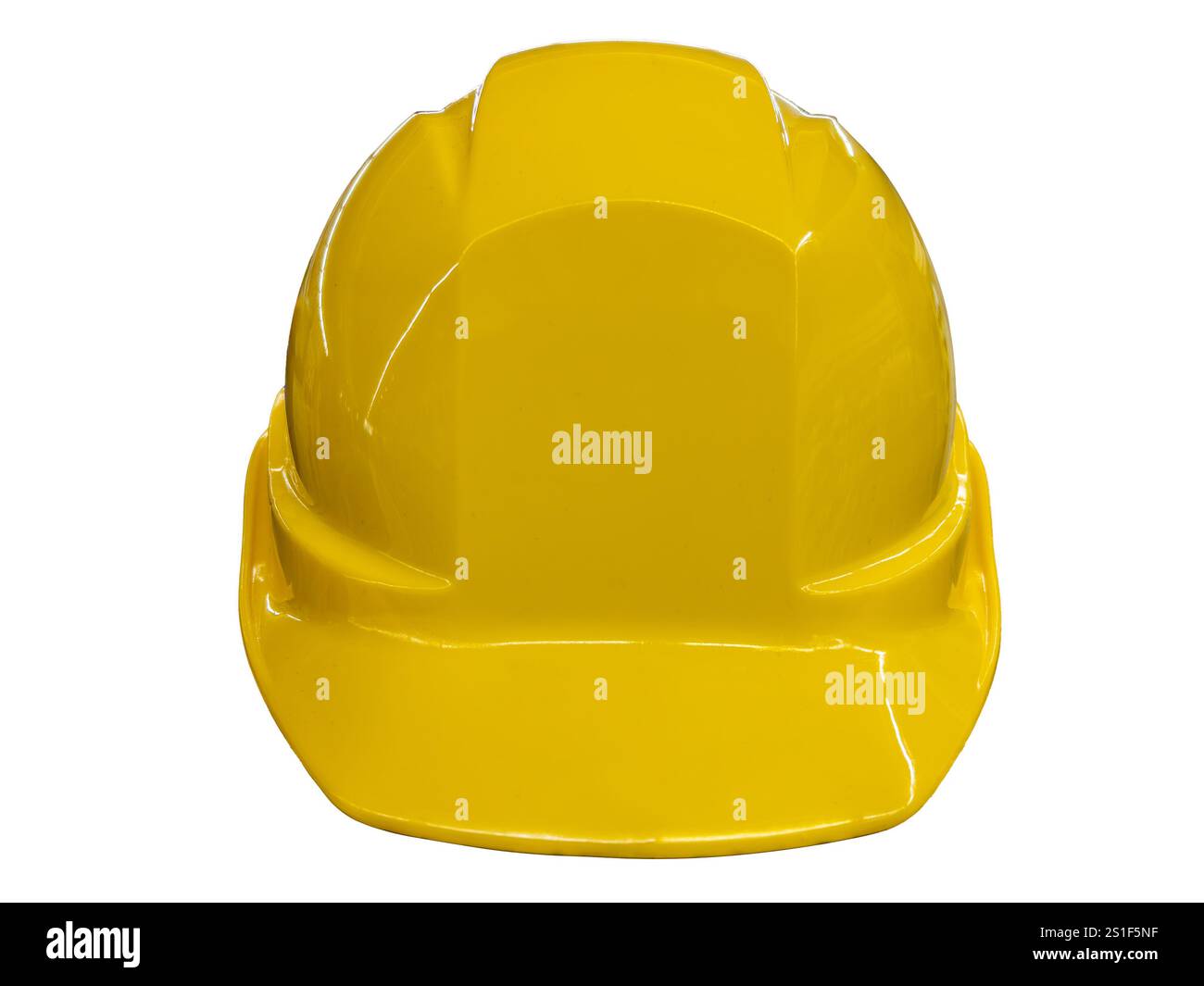
- Hard Hat & Safety Boots – Amazon Link
Include high-quality images of each item for better engagement.
How to Train Your Team / Toolbox Talk Ideas
- Conduct weekly toolbox talks on fall hazards
- Use visual demonstrations of harness use and anchorage setup
- Include scenario-based drills for fall rescue
- Encourage peer checks before high-risk tasks
- Document attendance and understanding to stay OSHA compliant
FAQs
Q1: What is the minimum height requiring fall protection?
A: OSHA requires fall protection for any work 6 feet or higher.
Q2: How often should fall protection gear be inspected?
A: Daily before use and immediately after any impact or fall.
Q3: Can ladders be used as a fall protection system?
A: No, ladders do not substitute for guardrails, nets, or harnesses.
Conclusion
Fall protection is the most critical safety measure on construction sites. Avoid these 15 mistakes, use the proper PPE, and implement a structured safety plan to protect your team.
✅ Take Action: Review your site’s fall protection program today, train your workers, and ensure every piece of equipment is inspected and certified.





.png)
.png&description=Top 15 Fall Protection Mistakes & Fixes for Construction Sites (2026–2027 Guide))
1 Comments
hi
ReplyDeleteShare your thoughts, experience, or safety tips related to this topic. Let’s learn from each other and build safer workplaces together.