


Job Safety Analysis (JSA): Step-by-Step Guide with Real Example (2027)
Understand how to perform JSA with real examples to identify hazards and prevent workplace accidents.

Introduction: Plan the Work, Work the Plan
Many workplace accidents happen because hazards are not identified before starting a job. This is where Job Safety Analysis (JSA) plays a critical role.
JSA is a simple but powerful process used to break down a job into steps, identify hazards, and implement controls before work begins.
In 2027, industries are focusing more on proactive safety, and JSA is one of the most effective tools to prevent accidents.
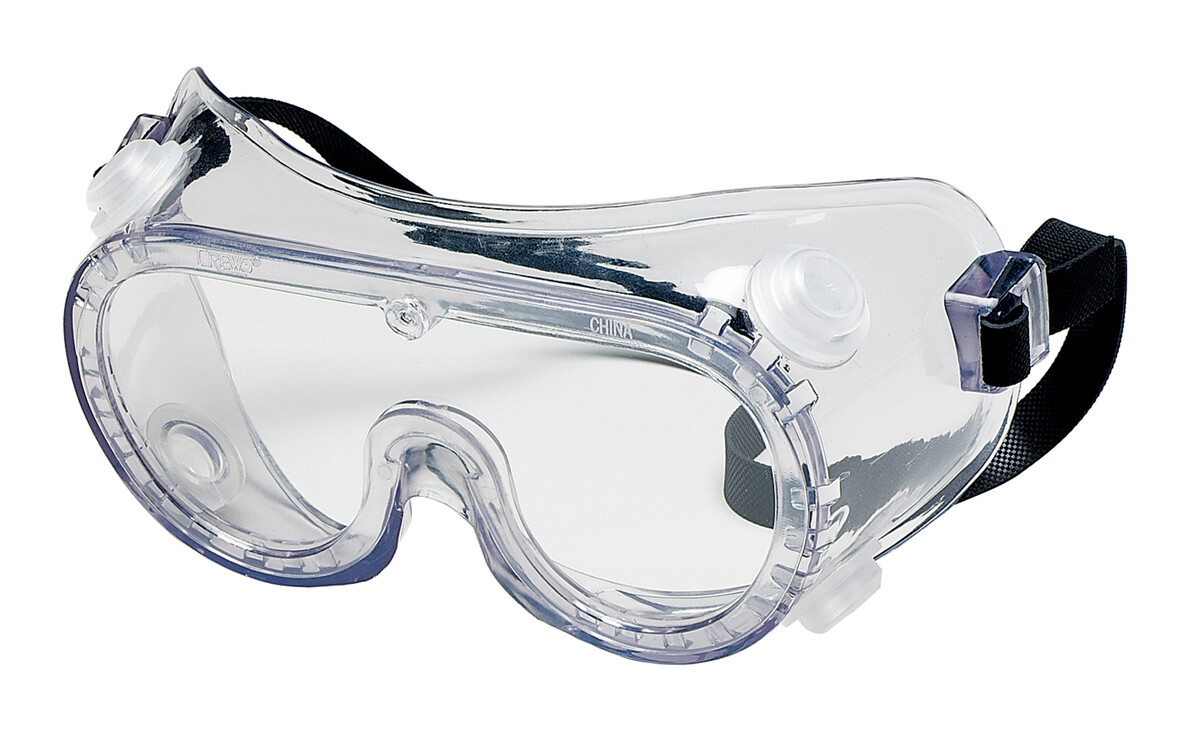
🛒 Recommended Safety Gear
What is Job Safety Analysis (JSA)?
Job Safety Analysis (JSA) is a method used to identify hazards associated with each step of a job and define control measures to eliminate or reduce risk.
- Break job into steps
- Identify hazards
- Implement control measures
Key Insight: JSA helps prevent accidents before they happen.
Step-by-Step JSA Process
Step 1: Select the Job
Choose a high-risk or frequently performed task.
Step 2: Break the Job into Steps
Divide the job into simple steps.
Step 3: Identify Hazards
Look for physical, chemical, and human risks.
Step 4: Implement Controls
Apply safety measures to eliminate hazards.
Step 5: Review and Update
Continuously improve the JSA process.
Real Example: Loading Materials in Warehouse
A worker was loading heavy materials using manual handling. Due to improper lifting technique, he suffered a back injury.
Step: Lifting heavy load
Hazard: Back strain
Control: Use proper lifting technique or mechanical aid
Lesson: Proper planning prevents injury.
👉 Get Safety Shoes for Protection
Benefits of JSA
- Reduces accidents
- Improves safety awareness
- Enhances productivity
- Ensures compliance
JSA Safety Checklist
- ✔ Identify job steps
- ✔ Analyze hazards
- ✔ Apply controls
- ✔ Train workers
- ✔ Review regularly
Conclusion: Safety Starts Before the Job Begins
Job Safety Analysis is one of the most effective tools to prevent workplace accidents. By identifying hazards before starting work, organizations can create a safer and more efficient environment.
Always remember: planning saves lives.






.png)

0 Comments
Share your thoughts, experience, or safety tips related to this topic. Let’s learn from each other and build safer workplaces together.