


By Anser Anwar Basha
HSE & Warehouse Safety Specialist | 20+ Years in Construction, MEP, Industrial & Facility Management | Creator of Safety Beyond Rules
Introduction
In India's booming construction sector, where infrastructure projects are rising rapidly across cities like Chennai, Krishnagiri, and Kanchipuram in Tamil Nadu, safety remains a critical concern. According to recent estimates from the International Labour Organization (ILO) and Indian reports, the construction industry accounts for a disproportionate number of workplace fatalities—often due to preventable causes like falls, electrocution, struck-by incidents, and heat-related illnesses. In hot and humid regions like Tamil Nadu, workers face added risks from extreme weather, making adherence to safety rules even more essential.
This 2026 guide draws from global standards (such as ILO conventions on occupational safety and health), India's Building and Other Construction Workers (BOCW) Act 1996, Factories Act provisions, and practical on-site experience. These 15 essential rules focus on protecting workers on construction sites—whether you're a laborer, supervisor, or safety officer. Following them can prevent accidents, save lives, and ensure compliance.
Main Safety Rules
Here are the 15 key construction safety rules every worker must follow in 2026:
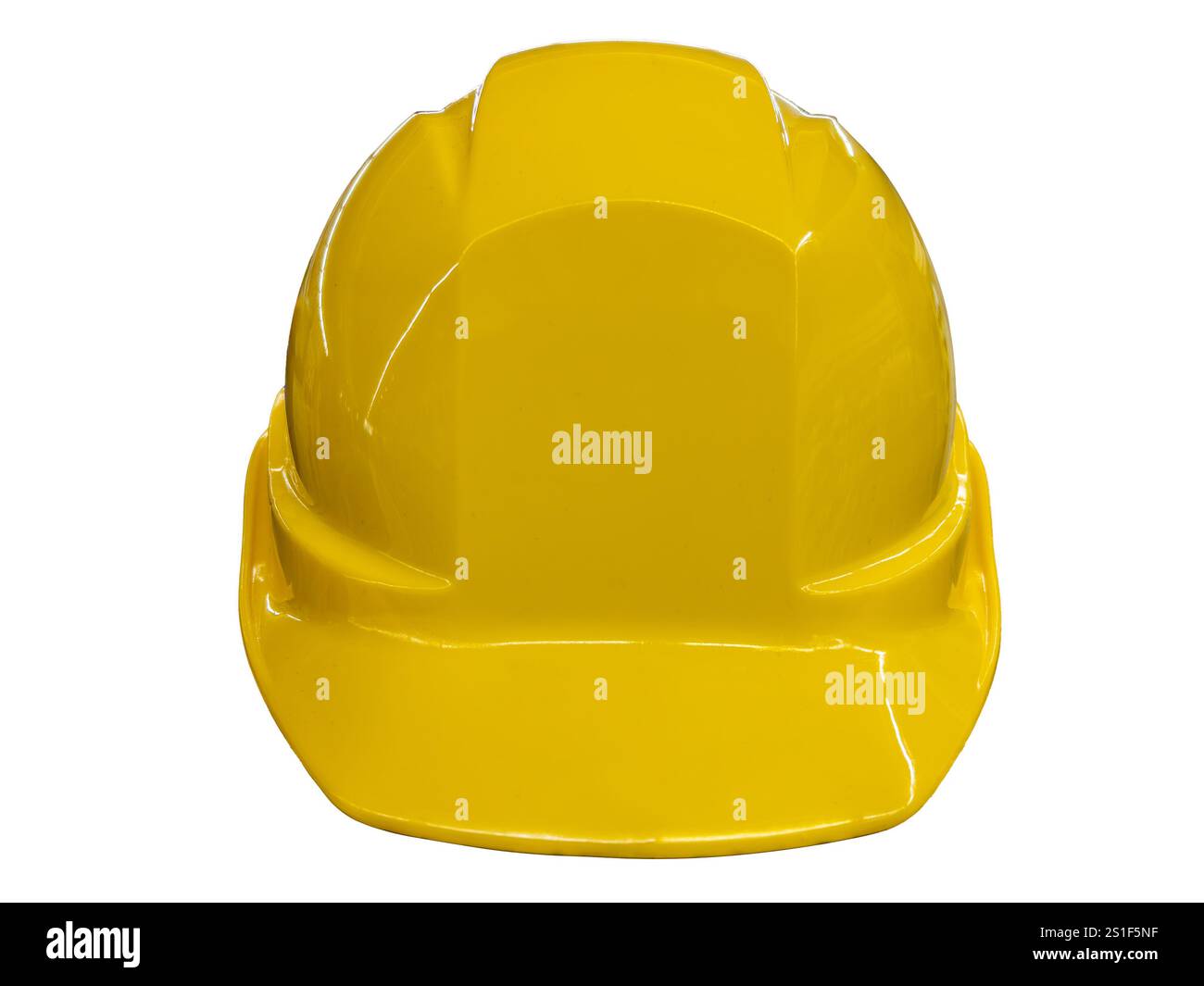
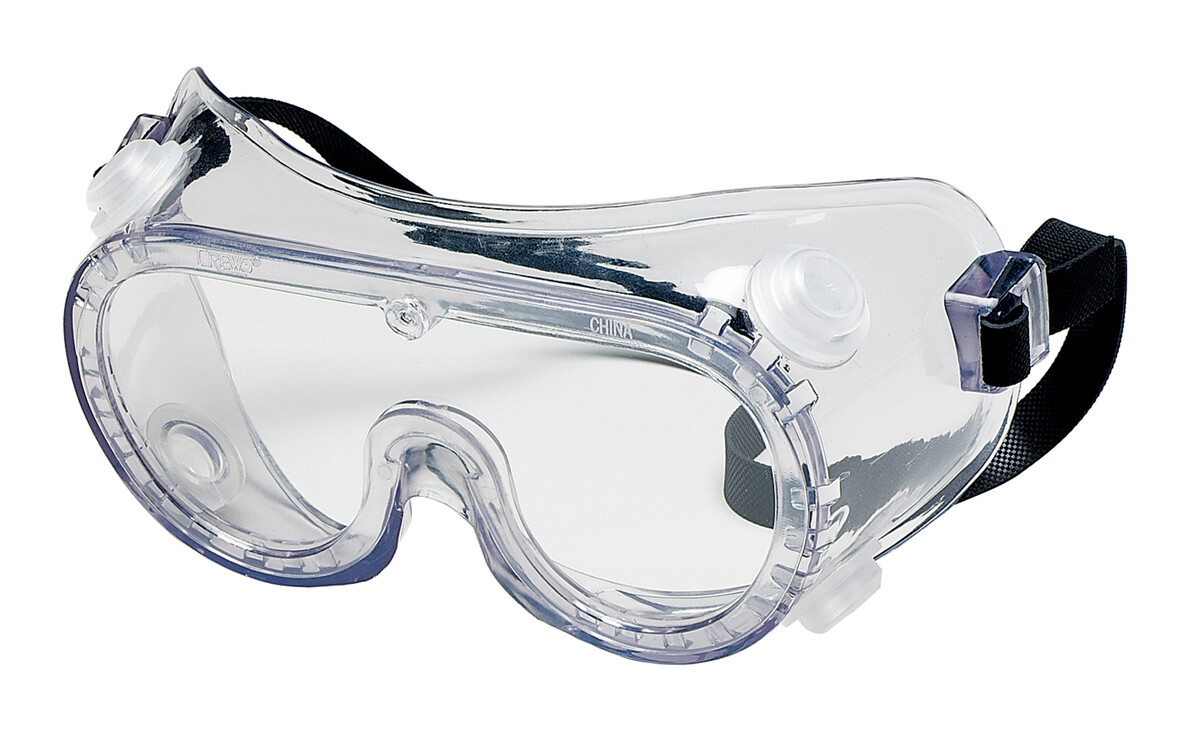
- Always Wear Proper Personal Protective Equipment (PPE): a hard
hat, safety goggles, a high-visibility vest, gloves, steel-toed boots, and ear protection when needed. In 2026 updates (aligned with OSHA-style fit requirements), ensure PPE fits properly—especially for diverse body types common in Indian sites. - Use fall protection at heights of 6 feet (2 meters) or more. Install guardrails, safety nets, or personal fall arrest systems. Falls remain the leading cause of fatalities—never work at heights without protection.
- Inspect and Use Ladders Correctly. Choose the right ladder for the job, maintain three points of contact while climbing, secure the base, and never overreach. Inspect daily for defects.
- Follow Scaffolding Safety Protocols. Only use scaffolds erected by competent persons. Ensure guardrails on platforms over 10 feet, stable footing, and no overloading.
- Prevent Electrocution Risks: Maintain safe distances from power lines, use insulated tools, lock out/tag out electrical equipment, and never use damaged cords.
- Implement Lockout/Tagout (LOTO) for Machinery Before maintenance, isolate energy sources, lock/tag them, and verify zero energy to prevent unexpected startup.
- Conduct Daily Hazard Identification and Risk Assessment. Spot hazards like uneven ground, exposed rebar, or loose materials before starting work and report them immediately.
- Stay Hydrated and Prevent Heat Stress. In India's hot climate (especially Tamil Nadu summers), take frequent breaks in shade, drink water regularly, wear light clothing, and watch for symptoms like dizziness or cramps.
- Report Near-Misses and Incidents Promptly. Every near-miss is a warning—report it without fear so investigations can prevent future accidents.
- Participate in Toolbox Talks and Safety Training. Attend daily/weekly meetings to discuss site-specific hazards and safe practices.
- Maintain Housekeeping on Site. Keep walkways clear of debris, tools, and materials to prevent slips, trips, and falls.
- Use Safe Lifting Techniques and Mechanical Aids. Bend knees, keep the load close, get help for heavy items, and use trolleys or cranes to avoid back injuries.
- Handle Hazardous Materials Safely. Follow hazard communication—read labels/SDS, use PPE, and store chemicals properly.
- Wear Hearing Protection in Noisy Areas. Prolonged exposure to heavy machinery can cause permanent hearing loss—use earplugs or earmuffs when noise exceeds safe levels.
- Know Emergency Procedures and First Aid. Be familiar with evacuation routes, fire extinguisher locations, and basic first aid. Ensure a first-aid kit and trained person are always available.
Checklist: Daily Pre-Work Safety Quick Check
Use this printable checklist before starting any shift:
- PPE inspected and properly fitted (hard hat, boots, gloves, etc.)
- Fall protection in place for heights
- Ladders/scaffolds inspected and tagged
- Electrical tools/cords checked for damage
- Hazards identified and controlled (e.g., barricades around excavations)
- Water and shade available for heat prevention
- Housekeeping done—no trip hazards
- Toolbox talk attended today
- Emergency contacts and a first-aid kit are accessible
- Near-miss reporting form ready
Tick off and sign—share with your supervisor.
Real Examples from Indian Construction Sites
- Fall from Height (Common in Tamil Nadu High-Rises): A worker in Chennai fell from an unguarded scaffold edge due to missing guardrails, resulting in severe injury. Proper fall arrest could have prevented it, as seen in sites following the BOCW Act strictly.
- Heat Stress Incident (Outdoor Work in Krishnagiri Summers): A laborer collapsed from dehydration while working without breaks in 40°C+ heat. Regular hydration stations and shaded rest areas (as per recent India-specific guidelines) have reduced such cases on compliant sites.
- Electrocution Near-Miss: A worker contacted overhead lines while carrying a metal ladder. Safe distance rules and insulated tools prevented tragedy—highlighting the value of daily hazard checks.
These real-world cases show that most accidents are preventable with the rules above.
Conclusion
Construction in India is building the future—but only if we prioritize safety beyond rules. By following these 15 essential rules in 2026, workers can return home safely every day, families stay secure, and projects succeed without tragedy. Safety is everyone's responsibility—yours, your supervisor's, and your employer's.
If you're on a site in Tamil Nadu or anywhere in India, start today: Wear your PPE, speak up on hazards, and encourage others. Share this guide, discuss in toolbox talks, and report near-misses. Together, we can make "Safety Beyond Rules" a reality.
Stay safe out there. 🚧





.png)
)
0 Comments
Share your thoughts, experience, or safety tips related to this topic. Let’s learn from each other and build safer workplaces together.