

 Introduction
For this reason, every construction worker must follow a structured workplace safety checklist before starting daily tasks. A well-planned safety checklist helps workers identify potential hazards, inspect equipment, verify personal protective equipment, and ensure that the job site is safe for everyone. By following these simple but effective safety practices, construction teams can significantly reduce accidents and maintain a productive work environment.
This guide outlines the most important workplace safety checks every construction worker should follow to maintain safety on the job site.
Why Construction Workplace Safety Is Important
Construction projects involve multiple teams, heavy equipment, electrical systems, and constantly changing working environments. Because of these factors, safety must always be the highest priority.
A proper workplace safety checklist helps workers:
Identify hazards before work begins
Ensure all protective equipment is properly used
Maintain safe working conditions
Reduce workplace injuries and accidents
Improve overall productivity and efficiency
When workers consistently follow safety procedures, construction sites become safer and more organized.
1. Personal Protective Equipment (PPE) Checklist
Personal Protective Equipment (PPE) is the first line of defense against workplace hazards. Construction workers must always inspect and wear the required safety gear before entering the worksite.
Essential PPE includes:
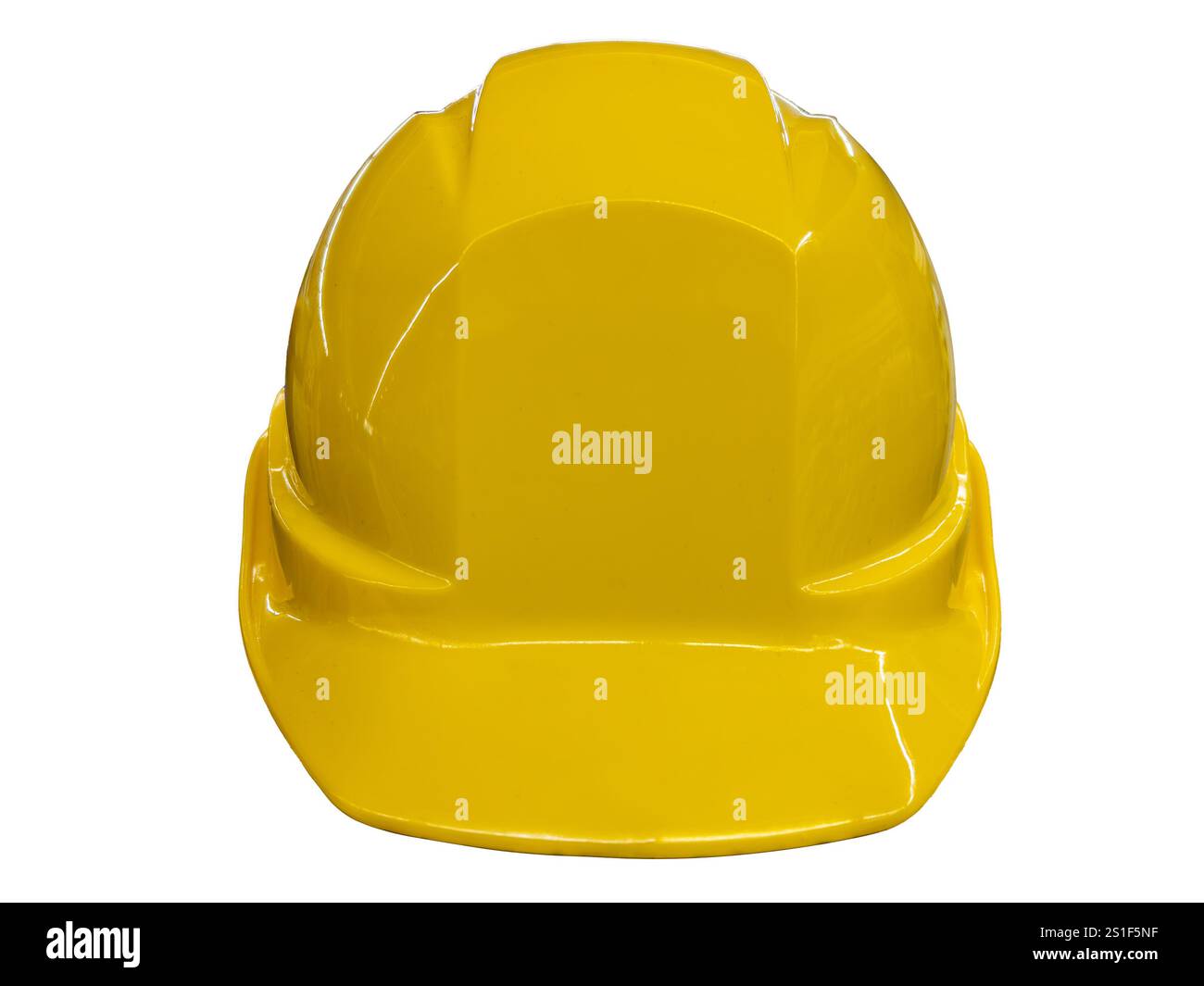
Safety helmets without cracks or damage
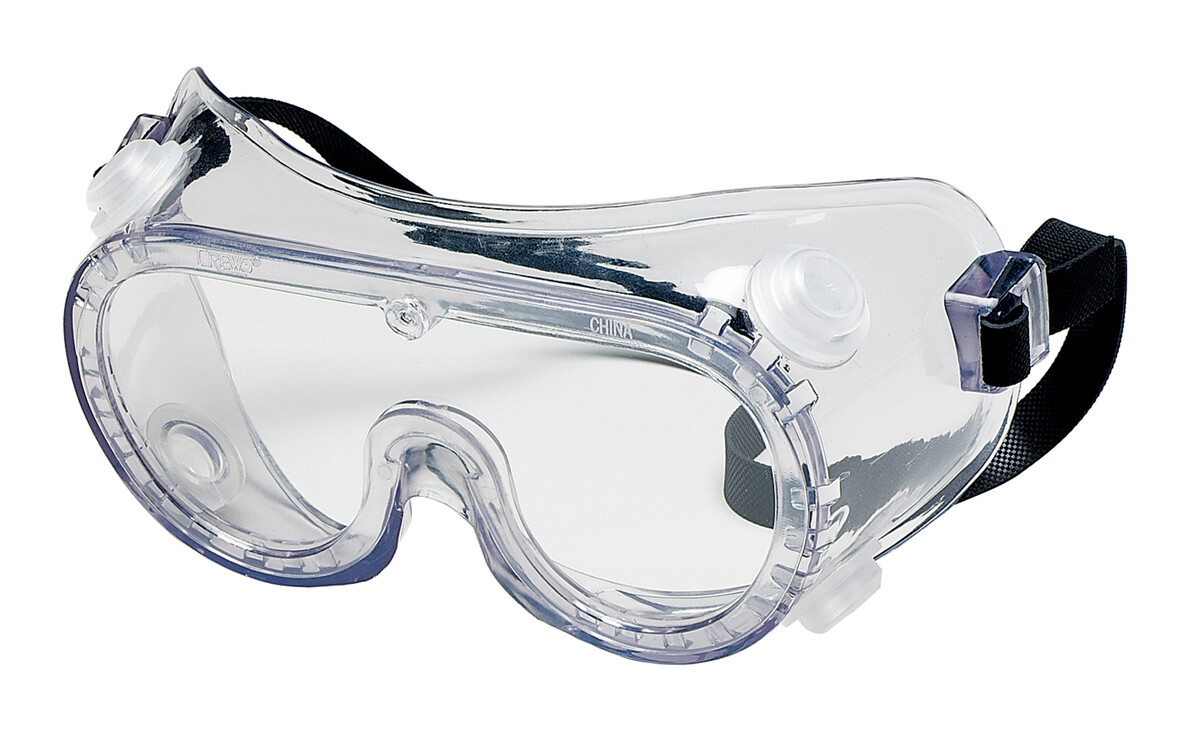
Protective safety goggles or eye protection
- High-visibility reflective safety jackets
Protective work gloves
Steel-toe safety shoes
Hearing protection near loud machinery
Using proper PPE greatly reduces the risk of injuries caused by falling materials, dust, debris, and hazardous tools.
2. Construction Site Inspection Checklist
Before starting any task, workers and supervisors should carefully inspect the worksite to identify possible hazards.
Important safety checks include:
Walkways free from obstacles and debris
Clear safety warning signs and barriers
Stable scaffolding structures
Proper storage of construction materials
Adequate lighting in working areas
Regular site inspections allow teams to detect and correct unsafe conditions before accidents occur.
3. Equipment and Tool Safety Checklist
Faulty tools and machinery are a major cause of workplace injuries in construction environments. Every worker should inspect tools before use.
Equipment safety checks include:
Inspecting power tools for damage
Ensuring machine safety guards are installed
Checking electrical cables for exposed wires
Operating machinery only by trained personnel
Following manufacturer safety instructions
Regular equipment inspection ensures reliable performance and prevents mechanical failures.
4. Working at Heights Safety Checklist
Working at heights is one of the leading causes of construction accidents worldwide. Proper fall protection measures must always be used.
Workers should verify that:
Scaffolding structures are stable and secure
Guardrails are installed on elevated platforms
Safety harnesses and lifelines are used correctly
Ladders are placed on firm surfaces
Tools are secured to prevent falling objects
Following these safety steps helps reduce the risk of falls and serious injuries.
5. Electrical Safety Checklist
Electrical hazards are common on construction sites due to temporary wiring, power tools, and heavy machinery.
Workers must ensure:
Electrical wires are insulated and undamaged
Power tools are properly grounded
Safe distance is maintained from power lines
Electrical equipment is not used in wet conditions
Lockout and tagout procedures are followed when necessary
Electrical safety awareness helps protect workers from shocks, burns, and electrical fires.
6. Material Handling and Lifting Checklist
Construction workers often handle heavy materials such as cement bags, steel bars, and equipment. Improper lifting can cause serious injuries.
Safe lifting practices include:
Bending the knees when lifting heavy objects
Keeping loads close to the body
Avoiding twisting movements
Using cranes or forklifts for heavy loads
Asking for assistance when needed
Proper lifting techniques reduce strain injuries and improve workplace safety.
7. Fire Safety Checklist
Construction sites may contain flammable materials such as fuel, chemicals, and electrical equipment. Fire prevention measures are essential.
Fire safety checks include:
Ensuring fire extinguishers are accessible
Knowing emergency exit routes
Storing flammable materials safely
Maintaining electrical systems properly
Following emergency evacuation procedures
Fire safety awareness helps workers respond quickly in emergency situations.
8. Housekeeping and Site Cleanliness Checklist
Poor housekeeping is a common cause of accidents in construction environments.
Workers should ensure:
Waste materials are removed regularly
Tools are stored properly after use
Walkways remain clear and accessible
Spills are cleaned immediately
A clean and organized construction site significantly reduces slips, trips, and fall hazards.
9. Communication and Safety Awareness Checklist
Clear communication between workers, supervisors, and safety officers is essential for maintaining a safe workplace.
Important practices include:
Attending daily safety meetings or toolbox talks
Reporting hazards immediately
Following instructions from supervisors
Informing coworkers about potential dangers
Effective communication ensures that everyone understands safety responsibilities.
10. Emergency Preparedness Checklist
Construction workers must always be prepared to respond to emergencies such as injuries, fires, or equipment failures.
Workers should know:
The location of first-aid kits
Emergency contact numbers
The nearest medical facilities
Site evacuation procedures
Emergency preparedness allows workers to react quickly and minimize harm during unexpected incidents.
Conclusion
A workplace safety checklist for construction workers is essential for maintaining a safe and efficient job site. By regularly inspecting equipment, wearing proper protective gear, identifying hazards, and following safety procedures, workers can significantly reduce the risk of workplace accidents.
Safety is not just the responsibility of supervisors or managers — it is the responsibility of every worker on the construction site. When all workers follow safety guidelines and remain aware of potential hazards, construction projects can be completed successfully while protecting the health and safety of everyone involved.
At Safety Beyond Rules, our mission is to provide practical safety knowledge that helps workers, supervisors, and organizations create safer workplaces across construction, warehouse, and industrial environments.





1 Comments
hi
ReplyDeleteShare your thoughts, experience, or safety tips related to this topic. Let’s learn from each other and build safer workplaces together.