


Introduction
Warehouses are the backbone of logistics, e-commerce, and
manufacturing — especially in India's booming supply chain sector. But they are
also high-risk workplaces. Every year, thousands of workers face injuries from
slips, falls, forklift incidents, heavy lifting strains, and falling objects.
According to recent reports, warehouse injury rates remain above the industry
average (around 5.5 cases per 100 workers in some data), and in India, logistics
contributes significantly to workplace fatalities and serious injuries. Poor
housekeeping, improper equipment use, and fatigue often trigger the "domino
effect"—one small mistake leads to a chain of events ending in disaster.
Workplace accidents happen in seconds, but their consequences last a lifetime:
lost wages, medical bills, family hardship, or permanent disability. Following
basic rules isn't enough—every worker must own safety daily to prevent
tomorrow's accident. Here are 15 warehouse safety rules every worker must know
and follow — from pickers and loaders to forklift operators and supervisors.
These practical steps, based on global best practices (like OSHA guidelines) and
adapted for Indian warehouse conditions (hot/humid environments, heavy manual
handling), can drastically reduce risks.
1. Always Wear Proper Personal Protective Equipment (PPE).
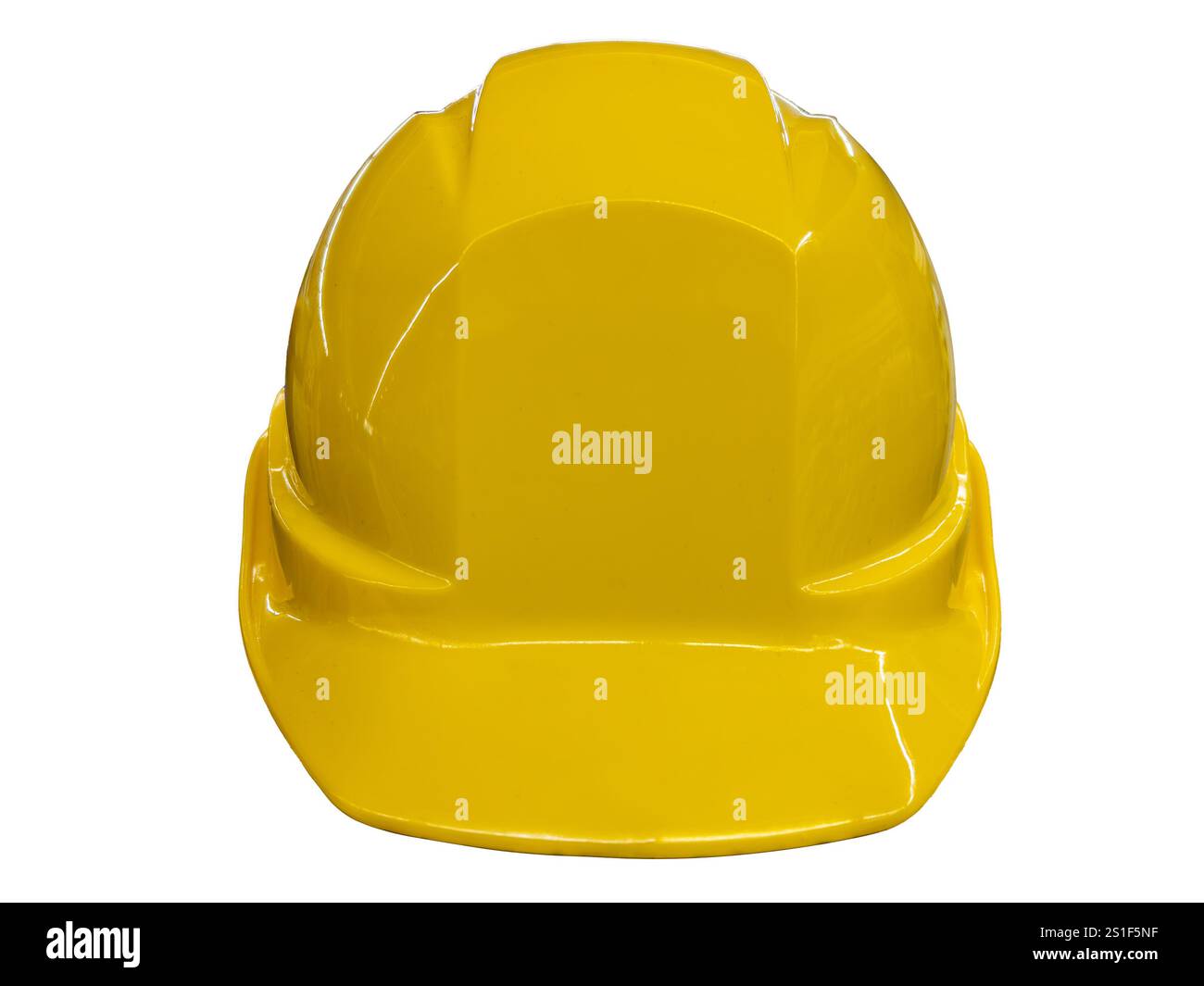
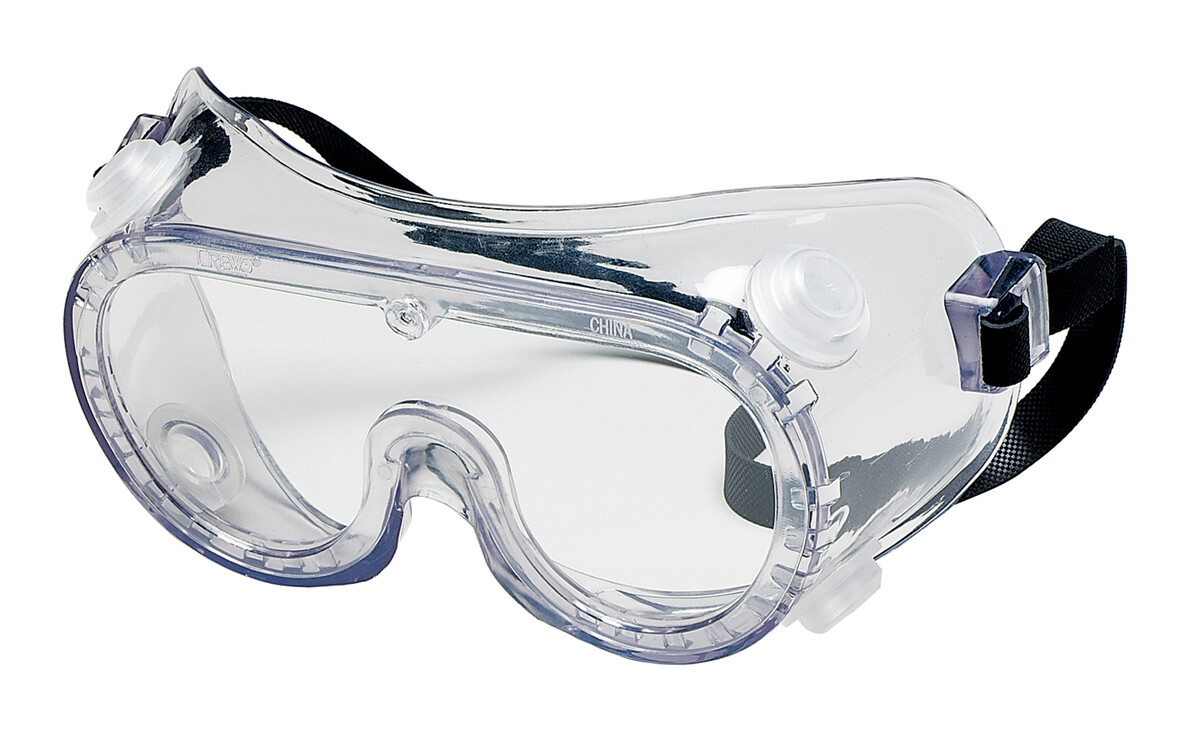
Your first line of defense. Wear a hard hat; safety
shoes/boots with steel toes; cut-resistant gloves; a high-visibility vest
(reflective in low light); and eye/ear protection where needed. Why it matters:
Falling objects, sharp edges, heavy loads, and moving vehicles cause many
injuries. In humid, Chennai-like conditions, sweat can make grips slippery—good
gloves prevent drops. Tip: Inspect your PPE at the start of every shift. Report
damaged items immediately and replace them. Never skip it — even for "quick"
tasks.


2. Inspect Equipment Before Every Use
Check forklifts, pallet jacks, conveyors, ladders, and hand tools for defects: brakes, horns, lights, tires, forks, hydraulics, etc. Why it matters: Faulty equipment is a top cause of serious incidents and fatalities. Tip: Use a daily checklist (many warehouses have standard forms). If something's wrong, tag it "out of service" and inform your supervisor—don't use it.

3. Keep Aisles, Floors, and Exits Clear at All Times
4. Use Correct Lifting and Manual Handling Techniques
Bend at the knees (not waist), keep the load close to your body, avoid twisting, and get help for heavy or awkward items. Why it matters: Back strains and musculoskeletal disorders are common from repetitive or improper lifting.Tip: Test the load first. Use mechanical aids (trolleys, hoists) whenever possible.


5. Only Certified and Trained Operators Use Forklifts and Powered Equipment
No unlicensed driving. Sound the horn at corners, intersections, and blind spots. Why it matters: Forklifts cause many struck-by, tip-over, and crushing incidents. Tip: Refresher training regularly. Never carry passengers, and never raise people on forks unless using a safety platform.
6. Maintain Safe Speeds, Distances, and Load Limits
Drive slowly in congested areas, keep a safe following distance, and never exceed the rated capacity. Why it matters: Speed + overload = tip-overs or collisions. Tip: In high-traffic zones, slow to a walking pace and yield to pedestrians.7. Report Every Near-Miss Immediately
Log close calls, even if no injury occurred (use your warehouse's near-miss form or app). Why it matters: Near-misses are warnings—ignoring them invites the real accident (see my earlier post on near-miss reporting). Tip: Speak up without fear — good reporting builds prevention.8. Practice Excellent Housekeeping Every Shift
Clean as you go: dispose of waste, organize tools, and return items to place. Why it matters: Clutter causes trips, fires, and blocked exits. Tip: End-of-shift cleanup is everyone's responsibility—not just housekeeping staff.9. Stay Fully Aware of Your Surroundings
No headphones/music, look both ways before crossing aisles, and avoid blind spots. Why it matters: High-traffic areas with vehicles and people increase struck-by risks. Tip: Make eye contact with forklift drivers before entering their path.10. Secure and Stack Loads Properly
Stack evenly; don't overload pallets/racks; use straps or shrink wrap; and interlock heavy items. Why it matters: Falling materials injure workers below. Tip: Heavier items at the bottom, lighter on top; never exceed rack load ratings.11. Follow Lockout/Tagout (LOTO) Procedures Strictly
For maintenance or cleaning on machines/conveyors, isolate energy sources, lock/tag, and verify zero energy. Why it matters: Unexpected startup causes crushing/amputation. Tip: Only authorized persons remove locks—never bypass.12. Know and Practice Emergency Procedures
Locate fire exits, extinguishers, first-aid kits, and eyewash stations. Participate in drills. Why it matters: Fires, chemical spills, or evacuations need a quick response. Tip: In India's hot climate, know heat stress signs too (dizziness, nausea).13. Never Work Alone in High-Risk Areas
Especially loading docks, high racks, or confined spaces. Why it matters: If an incident happens, no one is there to help. Tip: Use a buddy system or check-in protocols.14. Stay Hydrated, Manage Fatigue, and Take Breaks
Drink water regularly, especially in hot/humid conditions; avoid long overtime without rest. Why it matters: Heat stress and tiredness lead to errors and accidents. Tip: Follow company heat safety rules (a new focus in 2026 guidelines)—report symptoms early.15. Communicate Hazards and Use Stop-Work Authority
Speak up about unsafe conditions, unsafe acts, or equipment issues. Stop work if danger is imminent. Why it matters: One voice can prevent the domino effect and save lives. Tip: Safety is everyone's job — report without blame.Conclusion
These 15 rules are not just checklist items — they form the foundation of a strong safety culture in any warehouse. Following them prevents injuries, boosts productivity, and protects families. Remember: Safety Beyond Rules means taking personal responsibility every day. Start with one rule today, train your team, and report near-misses to stop accidents before they happen.If you're a warehouse worker, supervisor, or HSE professional in India, share your experiences in the comments below. Have you seen these rules save a life? Or a near-miss that could have been worse? Let's build awareness together.





)
0 Comments
Share your thoughts, experience, or safety tips related to this topic. Let’s learn from each other and build safer workplaces together.