


Introduction
Workplace accidents can happen in seconds, but their consequences can last a
lifetime. Every year, thousands of workers suffer injuries in construction
sites, warehouses, factories, and industrial environments due to preventable
safety mistakes. Following proper workplace safety rules is not just the
responsibility of employers or safety officers. Every worker must understand
and apply basic safety practices to protect themselves and their colleagues.
Whether you work in construction, logistics, manufacturing, or maintenance,
safety must always come first. In this article, we will explore 10 essential
workplace safety rules every worker must follow to prevent accidents and
maintain a safe working environment.
Table of Contents
1. Wear Proper PPE2. Follow Safety Procedures
3. Maintain a Clean Workplace
4. Use Equipment Safely
5. Report Hazards
6. Stay Alert
7. Safe Lifting Techniques
8. Lockout Tagout
9. Emergency Procedures
10. Promote Safety Culture
1. Always Wear Proper Personal Protective Equipment (PPE).
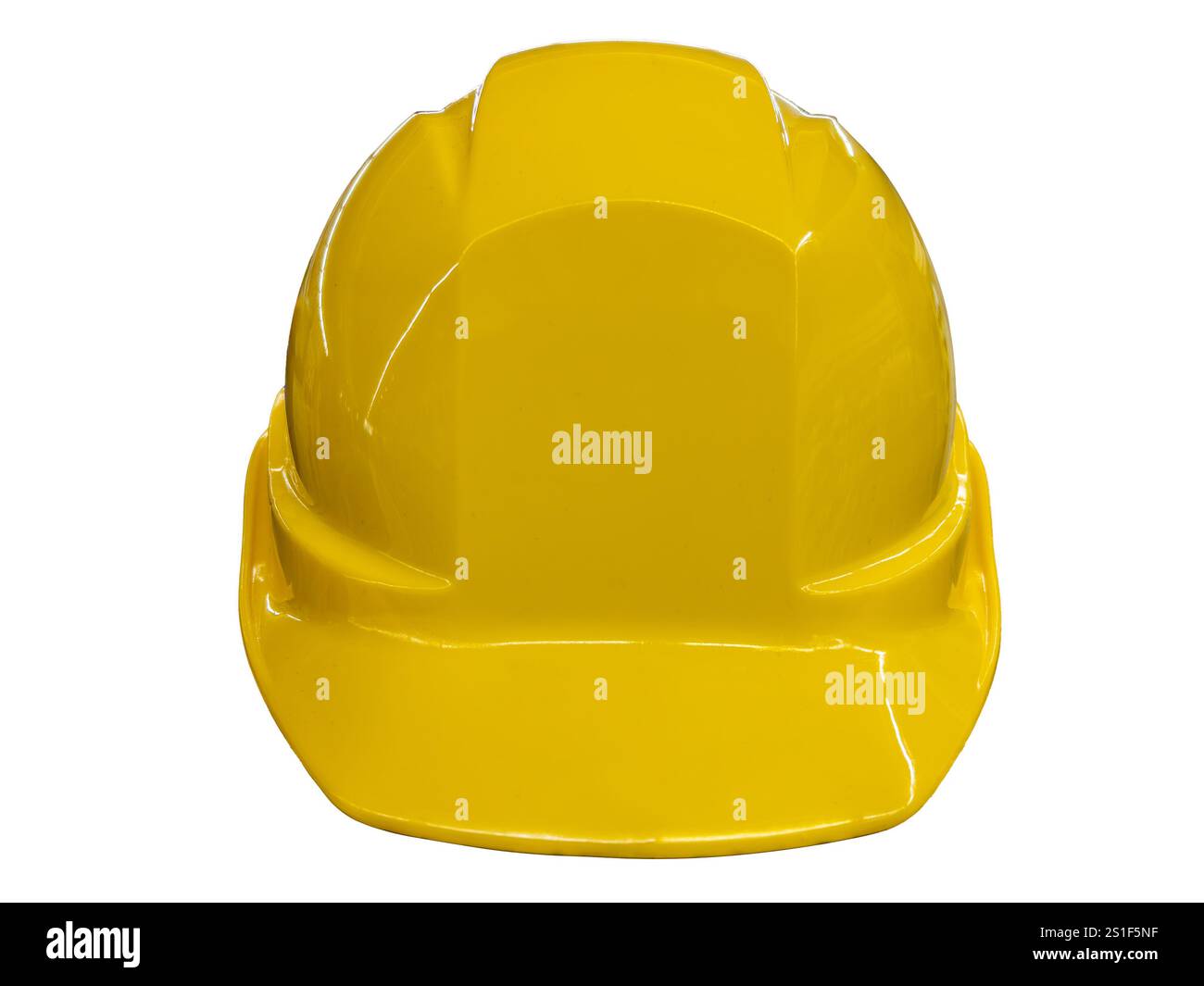
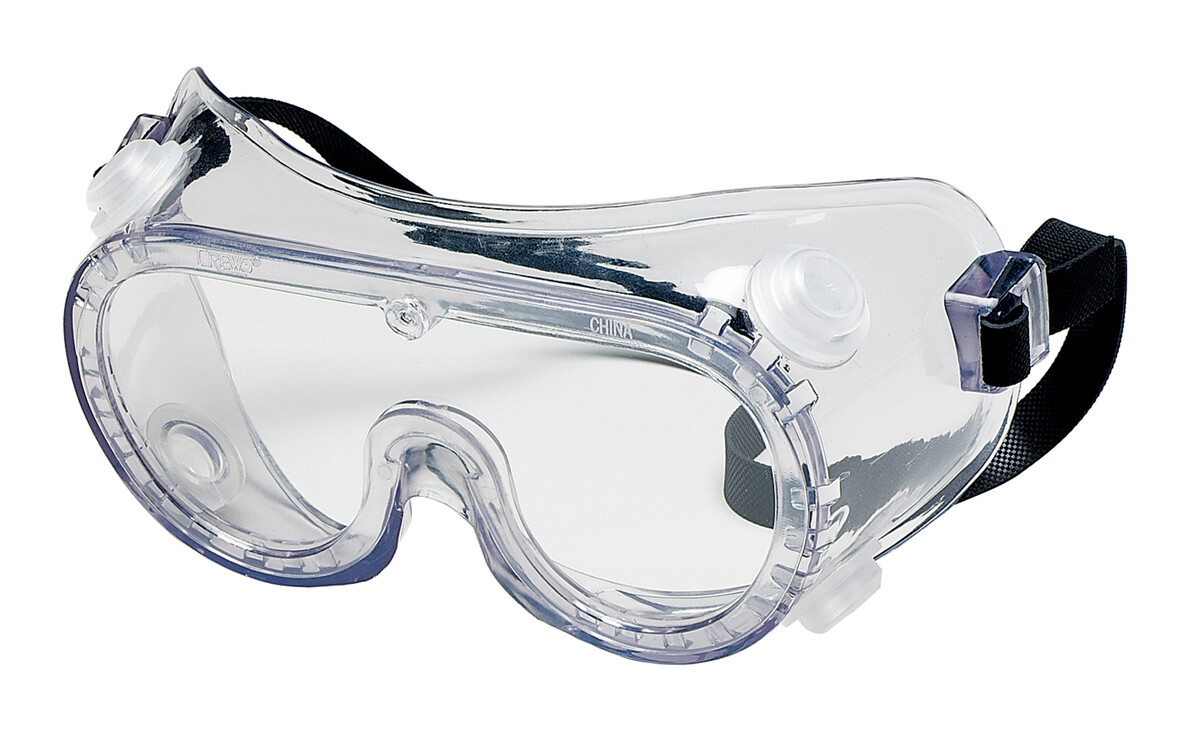
Personal Protective Equipment (PPE) is the first line of defense against
workplace hazards. Common PPE includes safety helmets, safety gloves, safety
glasses, steel-toe boots, high-visibility vests, and hearing protection. For example,
construction workers must wear tough hats to protect against falling objects,
while warehouse employees often require steel-toe boots to prevent foot
injuries from heavy equipment. Never ignore PPE requirements. Even a small
task can become dangerous without proper protection.
2. Follow Safety Procedures and Training.
Every workplace has specific safety procedures designed to reduce risks.
Workers should always attend safety training sessions, follow operating
instructions, understand emergency procedures, and know evacuation routes. Ignoring
safety training can lead to serious accidents. Workers who understand proper
procedures are far less likely to make mistakes that cause injuries.
3. Keep Work Areas Clean and Organized.
A messy workplace is a dangerous one. Common hazards caused by poor
housekeeping include slips and trips, blocked emergency exits, falling objects, and equipment damage. In warehouses and factories, spilled liquids or misplaced
tools can quickly become safety hazards. Keeping work areas clean ensures that
workers can move safely and focus on their tasks.
4. Use Equipment and Machinery Correctly.
Industrial equipment and heavy machinery can cause severe injuries if used
improperly. Workers should only operate equipment they are trained to use. Follow manufacturer instructions. Never bypass safety guards, and turn off machines
before maintenance. In construction sites, improper use of tools like power
saws, cranes, or forklifts can result in serious accidents. Always prioritize
safe operation.
5. Report Hazards Immediately.
If you notice a potential hazard, report it immediately. Examples of hazards
include broken ladders, damaged electrical cables, oil spills, and unstable scaffolding. Early reporting allows supervisors to resolve problems before they
cause accidents. Safety is a shared responsibility among all workers.
6. Stay Alert and Avoid Distractions.
Many workplace accidents occur because workers lose focus. Distractions may
include using mobile phones, talking while operating machinery, and working while
exhausted. Remaining alert helps workers identify hazards quickly and react
appropriately. Always stay focused on the task at hand.
7. Practice Safe Lifting Techniques.
Improper lifting is one of the most common causes of workplace injuries,
especially in warehouses and logistics operations. Follow these safe lifting
tips: Bend your knees, not your back. Keep the load close to your body. Avoid
twisting while lifting. Ask for help with heavy objects. Using proper lifting
techniques prevents back injuries, muscle strain, and long-term health issues.
8. Follow Lockout/Tagout Procedures
Lockout/Tagout (LOTO) procedures prevent machines from accidentally starting
during maintenance or repairs. Workers must turn off equipment and lock power
sources. Place warning tags. This rule is especially important in industrial
plants and manufacturing facilities, where unexpected machine movement can
cause serious injuries.
9. Know Emergency Procedures.
Emergencies such as fires, chemical spills, or equipment failures can happen
unexpectedly. Workers should know fire exit locations, emergency contact
numbers, first aid procedures, and fire extinguisher usage. Quick and calm responses
during emergencies can save lives.
10. Promote a Safety Culture.
Workplace safety improves when everyone participates. Workers should encourage coworkers to follow safety rules, participate in safety meetings, and share safety suggestions. Support accident prevention programs. A strong safety
culture ensures that everyone feels responsible for protecting each other.
Conclusion:
Workplace safety is not optional—it is essential for protecting lives and
preventing costly accidents. By following these 10 workplace safety rules,
workers can significantly reduce risks in construction sites, warehouses,
factories, and industrial workplaces. Simple actions such as wearing PPE,
reporting hazards, using equipment correctly, and staying alert can make a
huge difference. When every worker takes safety seriously, the entire
workplace becomes safer and more productive. Remember: Safety is everyone's
responsibility.





.png)
)
1 Comments
hi
ReplyDeleteShare your thoughts, experience, or safety tips related to this topic. Let’s learn from each other and build safer workplaces together.