


Introduction
Workplace safety is essential for protecting employees from injuries, illnesses, and accidents. One of the most important safety measures used in many industries is personal protective equipment
(PPE). PPE helps reduce exposure to workplace hazards and ensures workers remain safe while performing their duties.
Industries such as construction, manufacturing, healthcare, and mining rely heavily on PPE to protect employees from various risks. Understanding PPE and using it correctly can significantly reduce workplace accidents and improve overall safety standards.
What is PPE?
"Personal Protective Equipment" (PPE) refers to protective clothing, helmets, goggles, gloves, or other equipment designed to safeguard workers from workplace hazards.
PPE acts as a protective barrier between workers and dangerous conditions such as chemical exposure, falling objects, electrical hazards, and harmful dust or fumes.
The use of PPE is an important part of workplace safety programs and is widely recommended by organizations such as the Occupational Safety and Health Administration.
Why PPE is Important in the Workplace
PPE plays a vital role in preventing injuries and protecting workers from dangerous situations.
Some key benefits include:
1. Injury Prevention
PPE protects workers from physical injuries such as cuts, burns, and head trauma.
2. Health Protection
It prevents exposure to harmful substances that can cause long-term health problems.
3. Legal Compliance
Many workplace safety regulations require employers to provide PPE to employees.
4. Improved Productivity
Workers feel safer and more confident when they know they are protected.
Types of Personal Protective Equipment
1. Head Protection
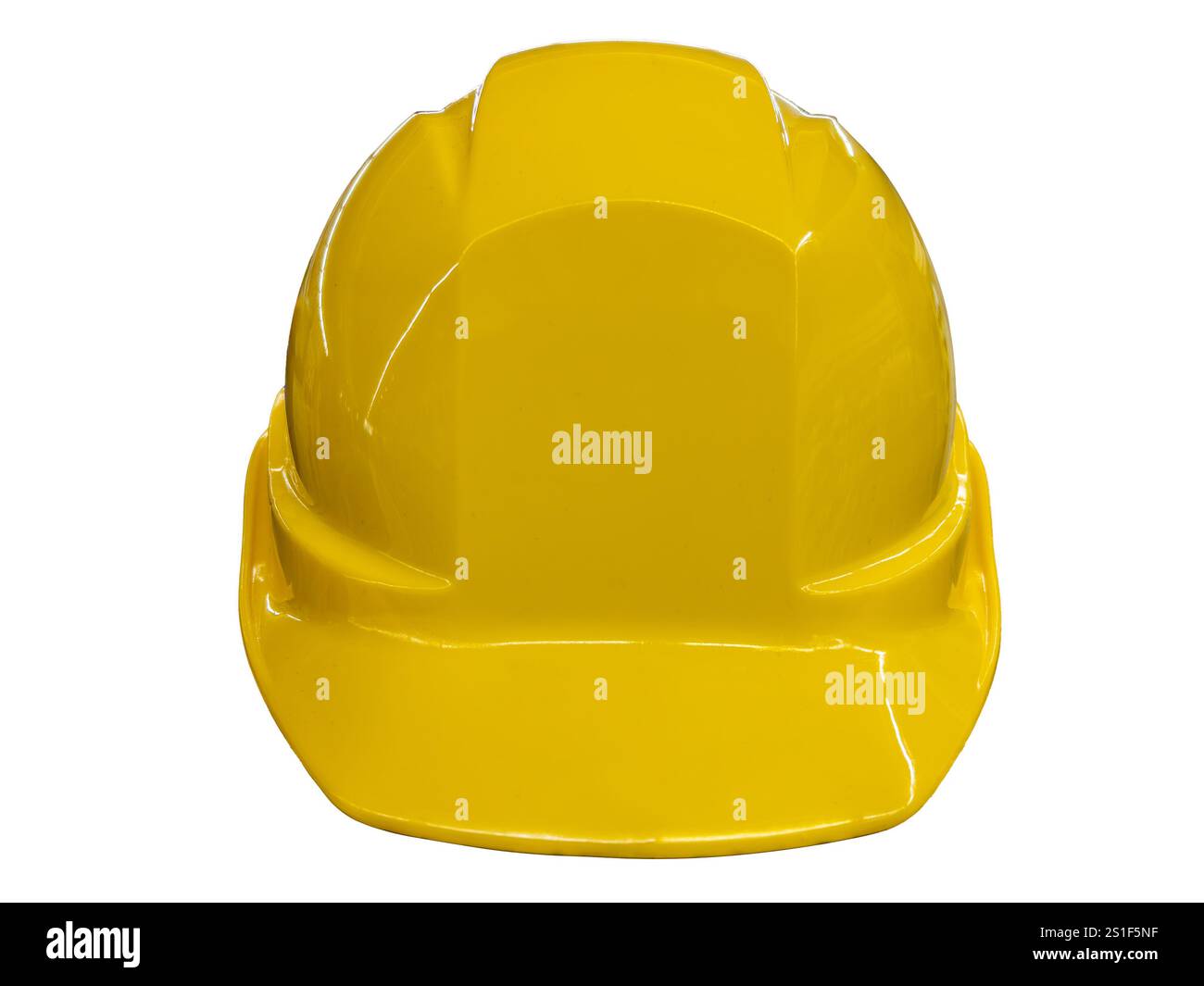
Hard hats and helmets protect workers from falling objects and head injuries. They are commonly used in construction sites and industrial workplaces.
2. Eye and Face Protection
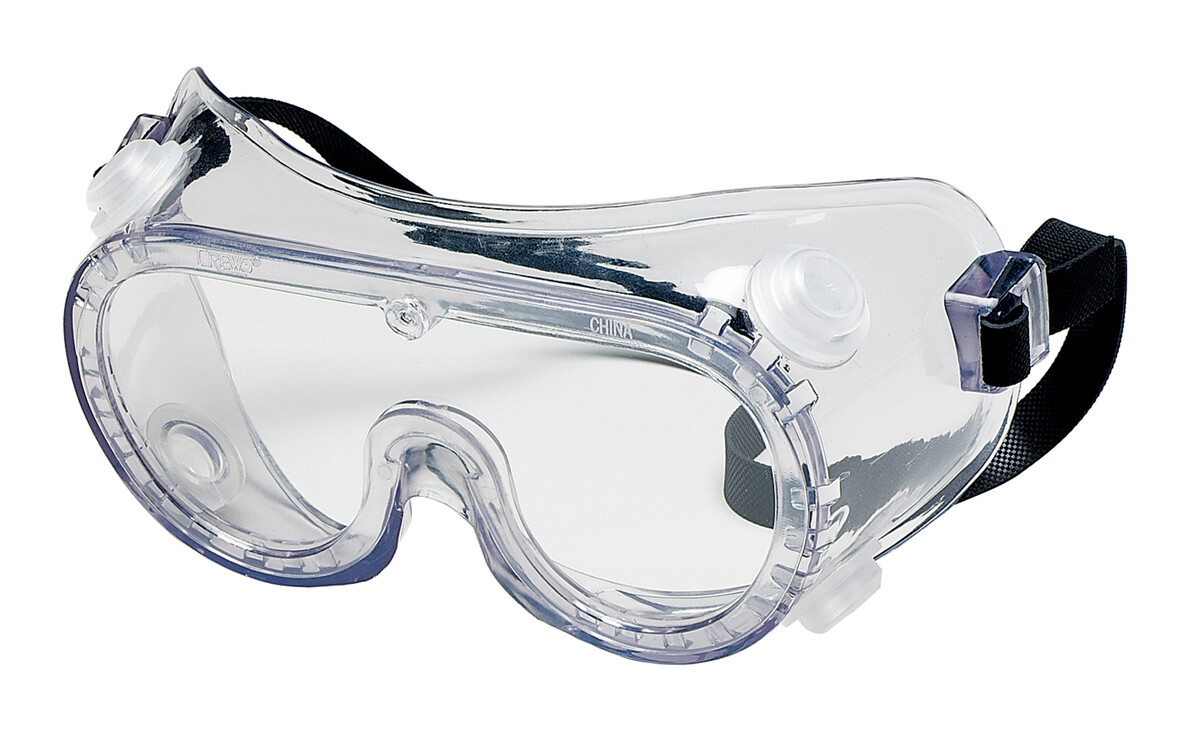
Safety goggles and face shields protect workers from flying debris, sparks, chemicals, and harmful radiation.
3. Hearing Protection
Earplugs and earmuffs help protect workers from excessive noise that can cause hearing loss.
4. Respiratory Protection
Respirators and masks protect workers from inhaling harmful dust, fumes, gases, and airborne particles.
5. Hand Protection
Protective gloves protect hands from cuts, chemicals, burns, and electrical hazards.
6. Foot Protection
Safety shoes and boots protect feet from heavy objects, sharp materials, and slippery surfaces.
How to Choose the Right PPE
Selecting the correct PPE is crucial for workplace safety. Employers should conduct a hazard assessment to identify potential risks before choosing protective equipment.
Important factors to consider include:
-
Type of workplace hazard
-
Comfort and proper fit
-
Safety standards and certification
-
Durability and maintenance requirements
Providing proper training ensures workers know how to wear and maintain their equipment correctly.
Common PPE Mistakes to Avoid
Many workplace accidents occur because PPE is used incorrectly. Some common mistakes include:
-
Not wearing PPE when required
-
Using damaged or worn-out equipment
-
Wearing the wrong type of PPE for the task
-
Lack of proper training
Employers must regularly inspect PPE and replace damaged equipment to maintain safety standards.
Conclusion
Personal Protective Equipment (PPE) is a crucial part of workplace safety. It helps protect workers from hazards, reduces accidents, and ensures a safe working environment. Employers and employees must work together to ensure PPE is used correctly and consistently.
By understanding the importance of PPE and following safety guidelines, organizations can create a safer workplace for everyone.





.png)
0 Comments
Share your thoughts, experience, or safety tips related to this topic. Let’s learn from each other and build safer workplaces together.