


Introduction
Construction sites in India are fast-paced and full of energy—from high-rise buildings in Chennai to infrastructure projects across the country. But they are also among the most dangerous workplaces. Falls from height, struck-by-objects, electrical shocks, trench collapses, and heavy machinery incidents cause thousands of injuries and fatalities every year. Under the Building and Other Construction Workers (BOCW) Act and Factories Act, employers must provide safe conditions, but real safety happens when every worker owns it daily.
One small oversight can trigger the domino effect: a loose scaffold leads to a fall, or poor housekeeping causes a trip into moving equipment. These 15 essential construction safety rules—drawn from global best practices (like OSHA) and adapted for Indian sites—help prevent that. Follow them to protect yourself and your team and build a true safety culture beyond just rules.
1. Always Wear Proper Personal Protective Equipment (PPE)
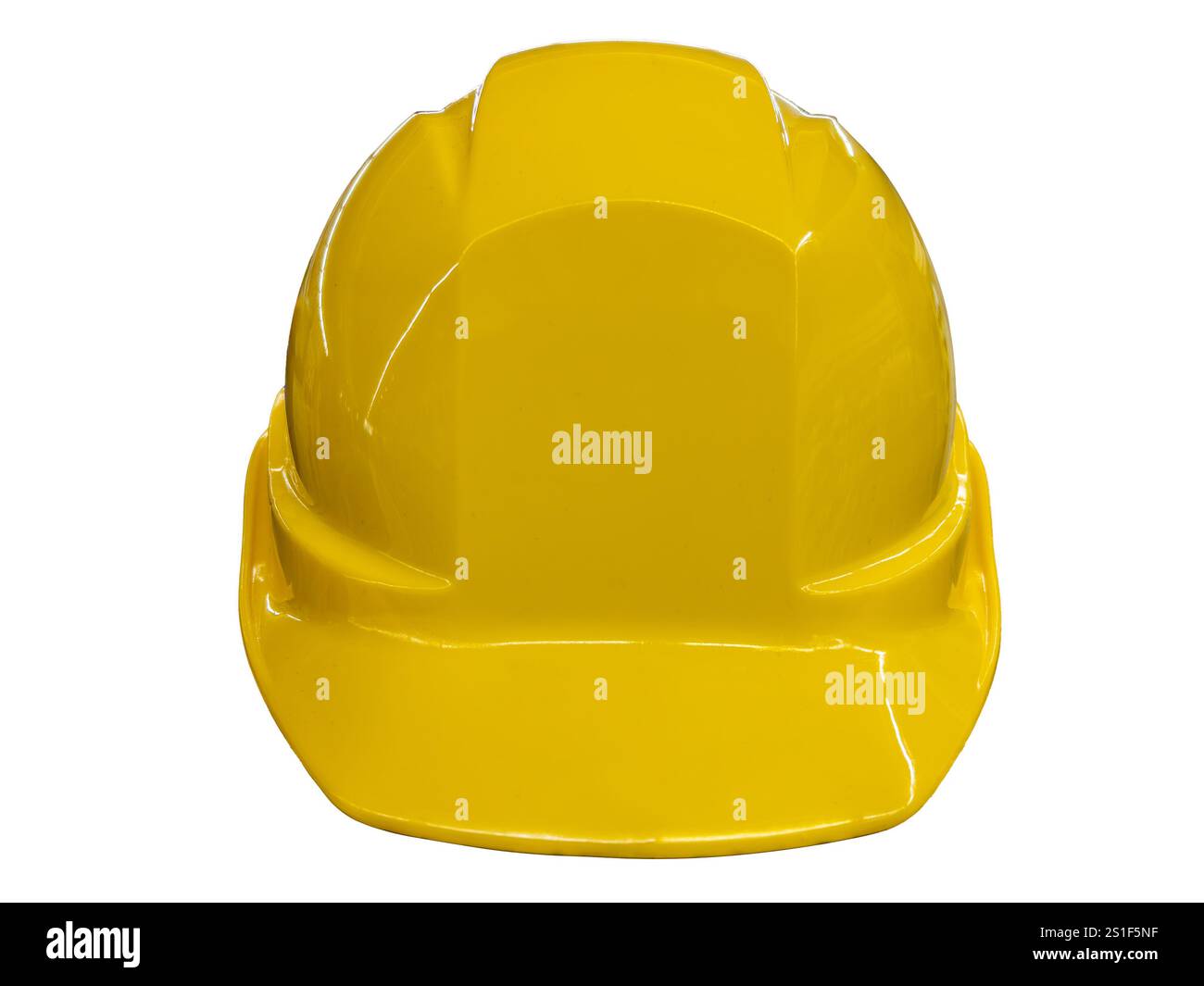
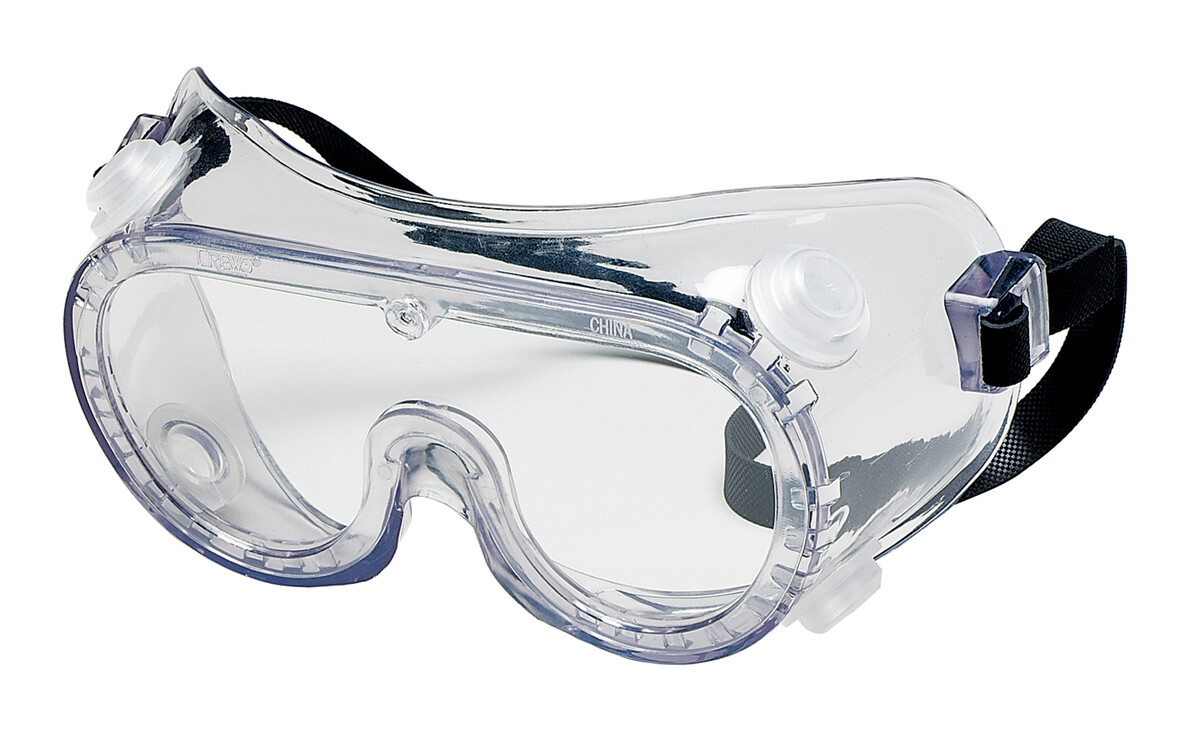
Hard hat, safety boots (steel-toe), high-visibility vest, gloves, safety glasses/goggles, ear protection, and harness for heights. Why it matters: Head injuries, foot crushes, eye damage from dust/debris, and noise-induced hearing loss are common. In humid Indian weather, sweat makes things slippery—good PPE prevents slips too. Tip: Inspect PPE daily; replace if damaged. Never remove it for "just a minute."2. Inspect Tools, Equipment, and Machinery Before Use
Check scaffolds, ladders, power tools, excavators, and cranes for defects (cracks, loose parts, brakes, and wires). Why it matters: Faulty equipment causes many serious accidents. Tip: Use daily checklists, tag "Out of Service" if unsafe, and report to your supervisor.3. Keep the Site Clean and Organized (Good Housekeeping)
Please ensure debris is cleared, materials are stored properly, spills are cleaned immediately, and walkways are free of cables or tools. Why it matters: Trips, slips, and falls are top injuries; clutter blocks emergency exits. Tip: Clean as you go—end-of-shift tidy-up is everyone's job.4. Use Safe Lifting and Manual Handling Techniques
Bend knees (not back); keep the load close; avoid twisting; seek help; or use trolleys/hoists for heavy items. Why it matters: Back strains from improper lifting are frequent in manual-heavy Indian sites. Tip: Test load weight first; use team lifts for >20-25 kg.5. Follow Fall Protection Rules Strictly
Use guardrails, safety nets, or full-body harnesses/lanyards when working 2m+ above ground (or lower if risk is high). Why it matters: Falls are the #1 cause of construction fatalities worldwide and in India. Tip: Secure the harness to the anchor points; never work at height without training.6. Only Trained and Authorized Workers Operate Machinery
No unlicensed forklift/crane/excavator operation; sound horns at blind spots. Why it matters: Struck-by or crushed-by incidents often involve untrained operators. Tip: Carry a valid certification and refresher training regularly.7. Maintain Safe Distances and Awareness Around Moving Equipment
Stay clear of swing radii, do not walk under loads, and make eye contact with operators. Why it matters: Vehicles and cranes cause many deaths. Tip: No distractions (phones/headphones); yield to machinery.8. Report Near-Misses and Hazards Immediately
Log every close call or unsafe condition (use site form or app). Why it matters: Near misses predict real accidents, so fix them early (this ties to your earlier post). Tip: Report without fear of blame; it saves lives.9. Secure Ladders and Scaffolds Properly
Ladders should be at a 4:1 angle and tied off at the top; scaffolds should be fully planked and braced, with guardrails and toeboards. Why it matters: Unstable access causes falls. Tip: Inspect before climbing; never overload or use damaged ones.10. Follow Electrical Safety Practices
Use insulated tools, grounded equipment, and lockout/tagout (LOTO) before working on live systems and avoiding wet conditions. Why it matters: Electrocution is a leading cause of death on construction sites. Tip: Assume all wires live; obtain permits for electrical work.11. Use Proper Excavation and Trenching Safety
Shore or slope trenches deeper than 1.2m; ensure no entry without inspection; keep spoil piles at a safe distance. Why it matters: Cave-ins bury workers alive. Tip: Daily checks by a competent person; ladders every 7.5 m.12. Know Emergency Procedures and First Aid
Locate first-aid kits, fire extinguishers, and exits; learn evacuation signals; and participate in drills. Why it matters: A quick response reduces severity in fires, collapses, or injuries. Tip: In hot Indian summers, watch for heat stress (dizziness, cramps).13. Never Work Alone in High-Risk Areas
Especially heights, confined spaces, trenches, or near heavy machinery. Why it matters: No help if something goes wrong. Tip: Use the buddy system or radio check-ins.14. Stay Hydrated, Rested, and Alert
Drink water often (especially in Chennai heat); take breaks; avoid fatigue from long shifts. Why it matters: Tiredness + heat = more errors and accidents. Tip: Report heat stress symptoms early; follow site heat safety protocols.15. Communicate and Use Stop-Work Authority
Speak up about unsafe acts/conditions; stop work if there is imminent danger. Why it matters: One voice prevents disasters and builds a real safety culture. Tip: Encourage open reporting — safety is everyone's responsibility.Conclusion
These 15 construction safety rules are practical basics that prevent the most common accidents when followed consistently. In India, complying with the BOCW Act, Factories Act, and site rules isn't optional—but going beyond them by owning safety daily saves lives, reduces downtime, and protects families. Start today: pick one rule, train a colleague, and report a hazard.If you're a construction worker, supervisor, or HSE pro in Chennai or anywhere in India, share in comments: What's the most common hazard you've seen? Or a rule that saved you? Let's spread awareness together.





.png)
0 Comments
Share your thoughts, experience, or safety tips related to this topic. Let’s learn from each other and build safer workplaces together.