


Introduction
Toolbox talks—also known as tailgate talks, safety huddles, or crew briefings—are short, focused safety meetings lasting 5–15 minutes, typically held at the start of a shift or before high-risk tasks. In dynamic environments like construction sites and warehouses, hazards change daily—new equipment, layouts, or weather conditions make frequent safety reminders essential.
In 2026, toolbox talks remain one of the most effective tools for compliance and safety culture. With OSHA’s heat illness prevention rule, fatigue management emphasis, and digital tools for logging safety activities, daily talks reduce Total Recordable Incident Rates (TRIR) significantly, with studies showing up to 85% fewer incidents compared to monthly sessions.
This guide covers 8 impactful toolbox talk topics for construction and warehouse teams, plus tips on conducting talks effectively to prevent accidents and engage workers.
Why Toolbox Talks Matter in 2026
Hazard Awareness: Construction and warehouse sites evolve constantly—new scaffolding, forklift routes, or heat waves require daily reminders.
Compliance: OSHA 1926.21 (construction) and 1910 (general industry) mandate hazard training; toolbox talks satisfy ongoing requirements.
Engagement: Short, interactive meetings encourage participation versus long, formal trainings.
Culture: Regular talks reinforce safety as a priority, reducing near-misses and injuries.
How to Conduct Effective Toolbox Talks
Follow these best practices to maximize impact:
Keep It Short: Limit talks to 5–15 minutes. Focus on a single topic to avoid overload.
Make It Relevant: Align discussions with today’s tasks, recent near-misses, or current weather/site conditions.
Engage the Team: Ask questions like, “What hazards do you see today?” or “How can we stay safe?” Encourage demonstrations and team sharing.
Choose the Right Time/Place: Pre-shift, quiet areas free from heavy noise. Use visuals such as posters, phones, or props.
Document It: Log attendance, topics, key points, and questions. 2026 tip: Use digital apps or QR-based forms for compliance.
End Strong: Summarize key takeaways, answer questions, and commit to actions like “Check PPE before starting.”
Follow Up: Observe worker practices during the day and revisit unresolved issues in the next talk.
8 Effective Toolbox Talk Topics for Construction & Warehouse Teams
1. PPE Inspection & Proper Use
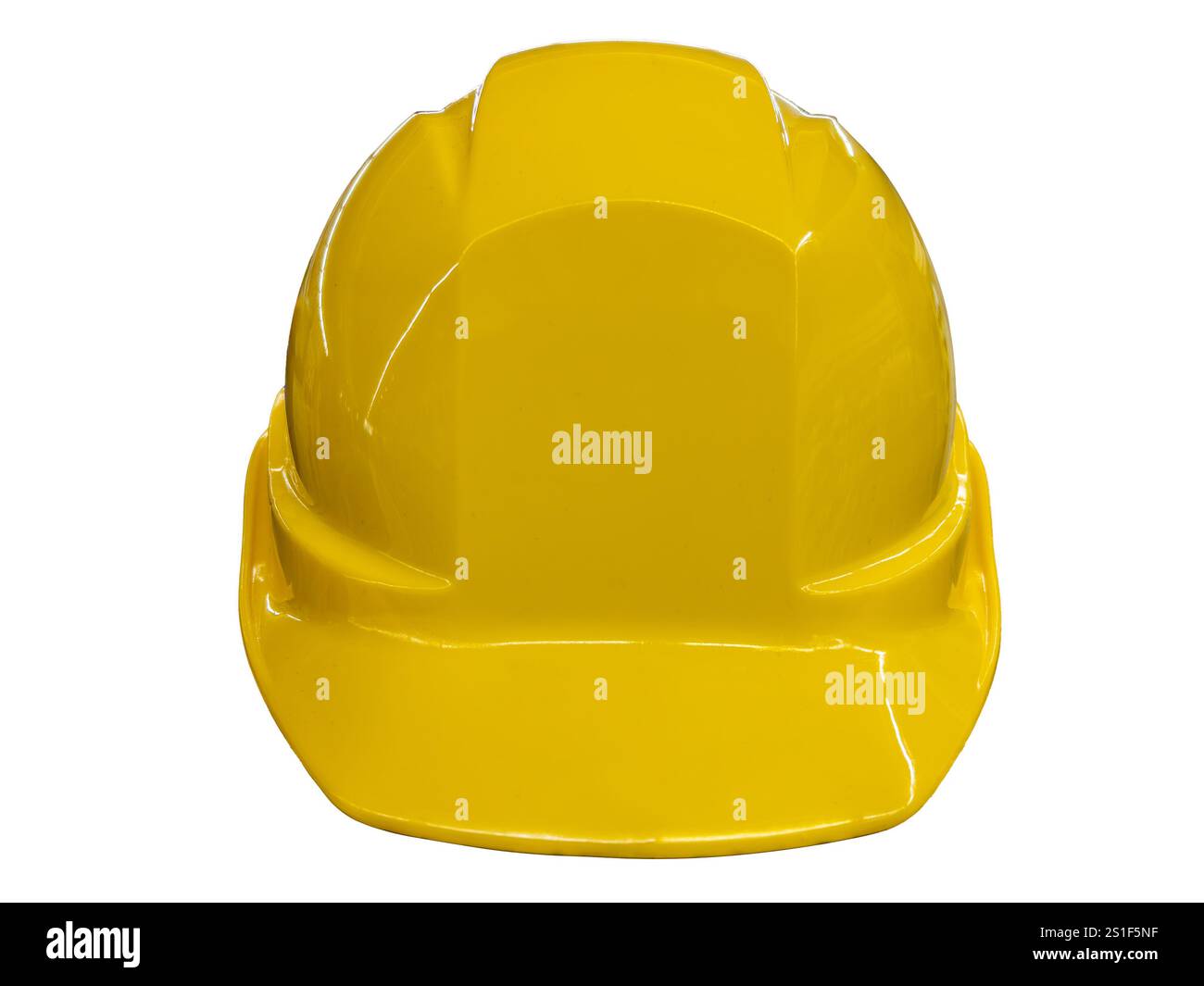
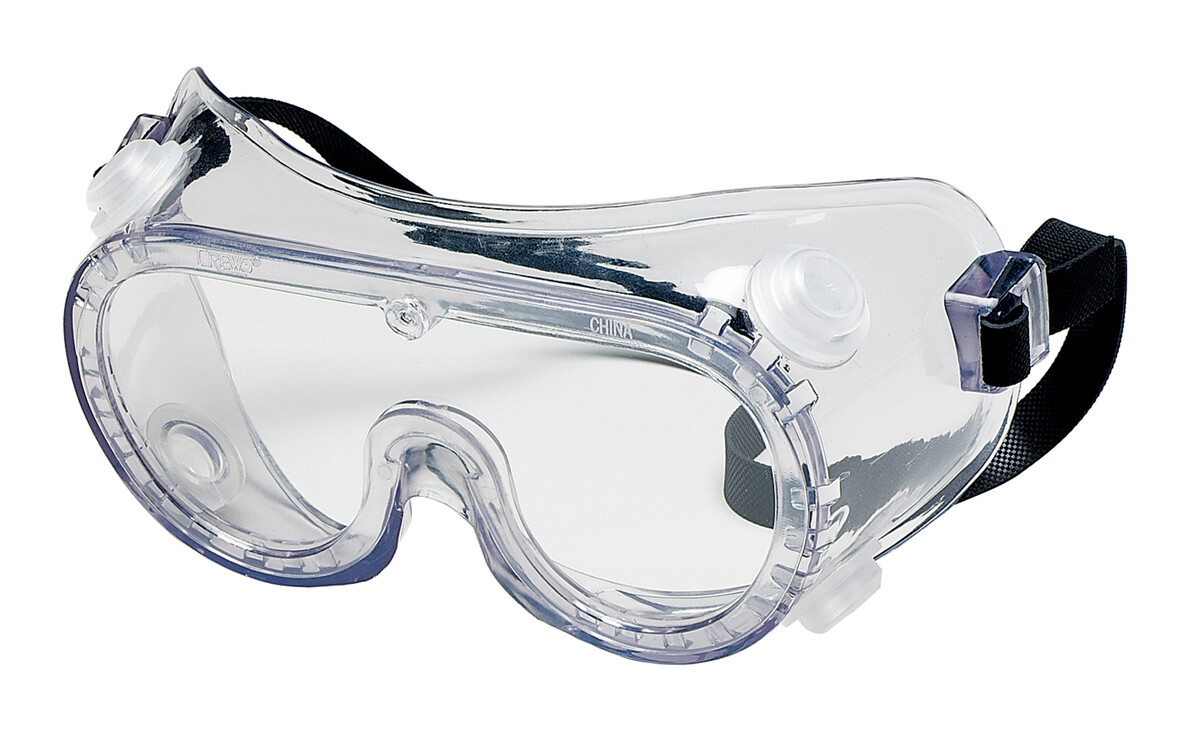
Daily checks: hard hats, gloves, safety glasses, hi-vis vests, steel-toe boots. Discuss signs of damage, proper fit, and replacement. For warehouses, include cut-resistant gloves. 2026 focus: breathable PPE for heat stress prevention.
2. Slips, Trips & Falls Prevention
Top cause of injuries. Address housekeeping: clear walkways, cords/tools off floors, wet surfaces, stairs, ladders, open trenches (construction), or racking spills (warehouses). Ask workers to identify hazards on site.
3. Forklift & Heavy Equipment Safety
Review pre-use inspections, safe operation, horn use, blind spots, and no passengers rules. 2026 update: emphasize fatigue management and zero phone distractions.
4. Manual Handling & Ergonomics
Teach proper lifting techniques: bend knees, keep loads close, team lifts when needed. Warehouse: stacking/picking tasks. Construction: carrying rebar/tools. Include demos for reinforcement.
5. Ladder & Working at Height Safety
Inspect ladders, maintain 4:1 angle, follow 3-point contact, avoid overreaching. Construction: scaffolds/roofs. Warehouse: high-bay storage access. Link to ladder safety protocols.
6. Heat Stress & Hydration (2026 Hot Topic)
With OSHA’s heat rule, emphasize:
Drink water every 15–20 minutes
Take shaded breaks
Acclimatize new workers
Recognize early symptoms: dizziness, cramps, nausea
Tip: Buddy system for monitoring in hot climates like India.7. Electrical Safety & Lockout/Tagout (LOTO)
Inspect cords, use GFCIs, follow LOTO procedures before maintenance. Construction: temporary power, overhead lines. Warehouse: powered equipment.
8. Emergency Response & Evacuation
Review alarms, exits, muster points, fire extinguisher use, and near-miss reporting. 2026 focus: incorporate mental health check-ins and fatigue awareness.
Quick Toolbox Talk Planning Checklist
Topic aligns with current work/near-misses?
Time/place set (5–15 min, low noise)?
Visuals or demos prepared?
Questions ready for engagement?
Attendance logged?
Key takeaways summarized?
Follow-up observations planned?Use daily for construction, and weekly or task-specific for warehouses.
Conclusion
Toolbox talks are short but powerful—daily huddles build habits, catch hazards early, and foster a “safety first” mindset. In 2026, proactive measures such as heat management, fatigue monitoring, and digital logging make consistent talks more effective than ever.
Engage your team daily, track attendance, and address hazards promptly. Safety isn’t optional—it’s a culture.
Which toolbox topic is your favorite? Share in comments and subscribe for more HSE guides like heat stress prevention and ladder safety.






0 Comments
Share your thoughts, experience, or safety tips related to this topic. Let’s learn from each other and build safer workplaces together.