


Mental Health in Safety: Preventing Accidents Through Wellbeing (2027 Guide)
Discover how mental wellbeing is transforming workplace safety and reducing accidents in 2027.


Introduction: The Hidden Risk No One Talks About
Workplace safety has traditionally focused on physical hazards—helmets, gloves, harnesses, and warning signs. But in 2027, a new risk has taken center stage: mental health.
Imagine a worker at height wearing all the right protective gear, yet mentally distracted due to stress or fatigue. That moment of lost focus is enough to cause a serious accident.
Research shows that stress, burnout, and fatigue contribute significantly to workplace incidents. These invisible risks reduce attention, delay reactions, and increase human error.
🛒 Recommended Safety & Wellness Tools
- Smart Fitness Band for Stress & Sleep Tracking
- Ergonomic Office Chair for Long Working Hours
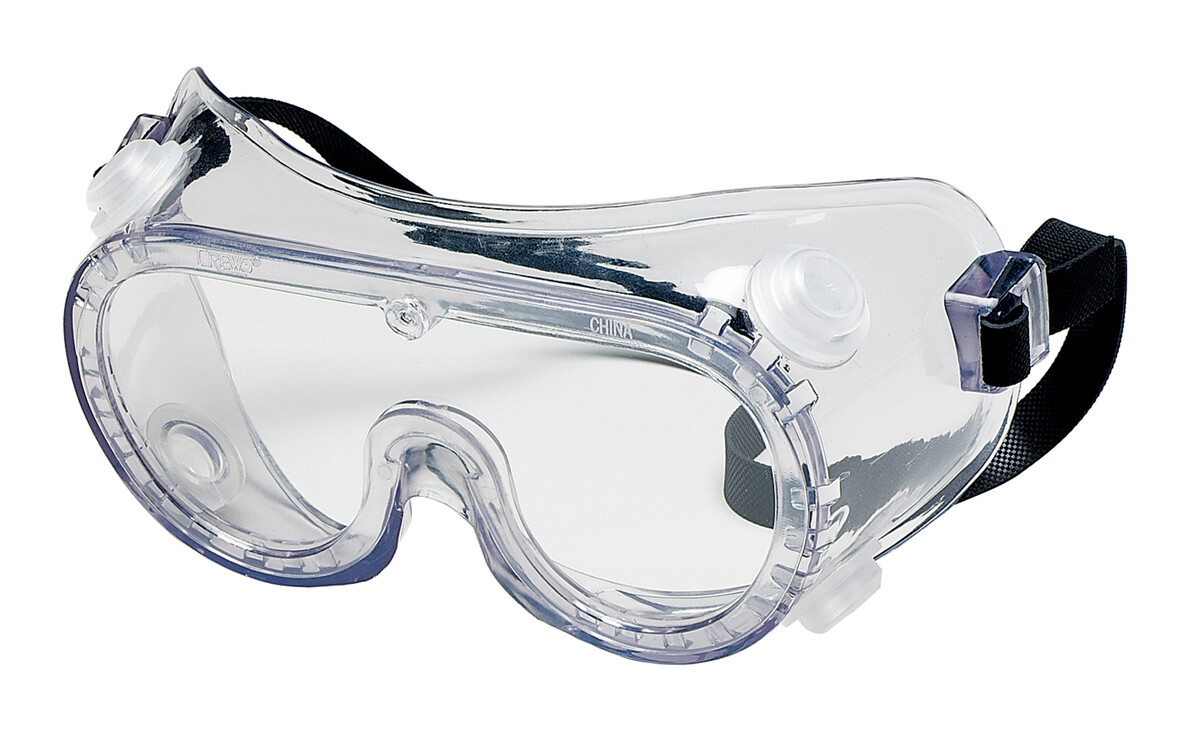
- Blue Light Blocking Safety Glasses
- Noise Cancelling Headphones for Focus
Why Mental Health Matters in Workplace Safety
Mental wellbeing directly impacts how workers think, react, and behave in high-risk environments. A stressed worker is more likely to overlook hazards or make poor decisions.
- Reduced concentration and focus
- Slower reaction time
- Increased errors and accidents
- Poor risk assessment
Key Insight: Safety is not just physical—it is psychological.
1. Stress and Fatigue: The Silent Accident Triggers
Stress and fatigue are among the biggest contributors to workplace accidents in modern industries.
Common Causes:
- Long working hours
- Tight deadlines
- Job insecurity
- Poor work-life balance
Impact:
- Reduced alertness
- Delayed response time
- Higher chances of mistakes
Solutions:
- Mandatory rest breaks
- Shift rotation
- Workload management
👉 Monitor Your Stress with Smart Fitness Band
2. Building a Supportive Safety Culture
A strong safety culture must include mental wellbeing. Workers should feel safe not just physically, but emotionally as well.
- Encourage open communication
- Eliminate stigma around mental health
- Train supervisors in empathy
Organizations that support mental health see fewer accidents and higher productivity.
3. Training Programs: Beyond Physical Safety
Traditional safety training is no longer enough. Workers need tools to manage mental stress and stay focused.
- Stress management training
- Burnout awareness programs
- Mindfulness techniques
This improves awareness and reduces human error.
4. Early Warning Signs: What to Watch
- Frequent mistakes
- Mood swings
- Lack of focus
- Withdrawal from team
Early intervention can prevent serious incidents.
5. Technology & Mental Health Monitoring (2027 Trend)
Technology is transforming workplace safety by integrating mental health monitoring tools.
- Wearable stress trackers
- AI-based safety alerts
- Mental health apps
🔥 Top Tech for Workplace Wellbeing
Mental Health Safety Checklist
- ✔ Get proper sleep
- ✔ Take regular breaks
- ✔ Communicate openly
- ✔ Manage stress effectively
- ✔ Seek support when needed
Conclusion: Safety Starts in the Mind
Workplace safety is evolving rapidly. Physical protection alone cannot prevent accidents. Mental health plays a crucial role in keeping workers alert and safe.
Companies that invest in employee wellbeing will see fewer incidents, better performance, and stronger teams.






.png)

0 Comments
Share your thoughts, experience, or safety tips related to this topic. Let’s learn from each other and build safer workplaces together.