


7 Critical Electrical Safety Rules Every Worker Must Follow in 2027

Table of Contents
- Introduction
- Personal Experience
- Real Accident Case
- Critical Electrical Safety Rules
- Risk Assessment Table
- Common Mistakes to Avoid
- Safety Checklist
- FAQs
- Conclusion
Introduction
Electricity is invisible, silent, and extremely dangerous. It powers modern industries, yet it remains one of the most serious hazards in workplaces today. Unlike visible dangers, electrical risks often go unnoticed until contact occurs—making them highly dangerous and sometimes fatal.
In this 2027 guide, you’ll learn the most critical electrical safety rules every worker must follow to prevent life-threatening accidents.
Personal Experience (Powerful)
As an HSE & Warehouse Safety Specialist, I have personally observed that most electrical accidents happen due to overconfidence and skipped procedures. Workers often rush tasks under production pressure and assume systems are safe without proper verification.
This single mistake—assuming power is OFF—has caused severe injuries and permanent damage in multiple real-world cases.
Real Accident Case
In a warehouse incident in Chennai, a technician was assigned to repair a conveyor system. Due to urgency, he skipped the Lockout Tagout (LOTO) procedure and assumed the power supply was disconnected.
The circuit was still live. As soon as he touched the conductor, he suffered a severe electric shock.
Consequences:
- Severe burns on both hands
- Temporary loss of consciousness
- Permanent nerve damage
Root Cause: No LOTO, no voltage testing, and overconfidence.
Key Lesson: Never assume — always verify.
7 Critical Electrical Safety Rules
1. Always Isolate Power Before Work
Switch off the main supply and ensure all circuits are disconnected before starting work.
2. Follow Lockout Tagout (LOTO)
Apply proper lockout and tagging to prevent accidental energization.
👉 Recommended: Buy Lockout Tagout (LOTO) Kit
3. Use Proper PPE
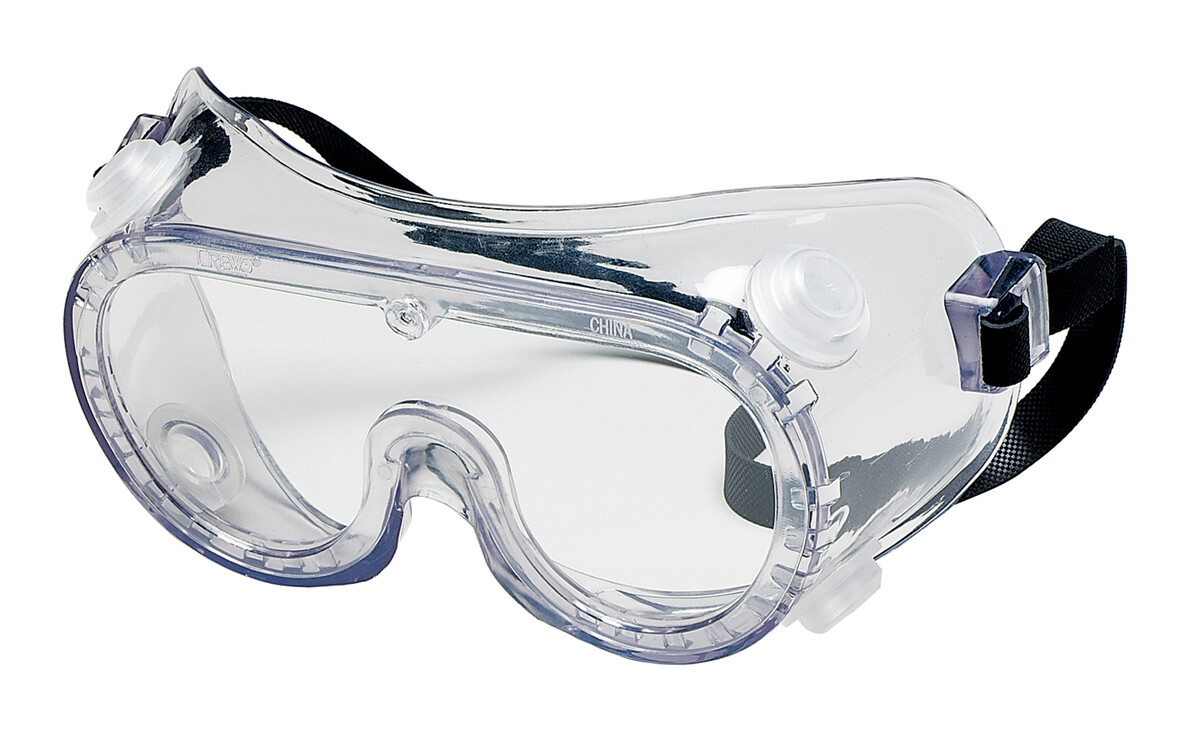
Wear insulated gloves, safety shoes, arc-rated clothing, and face protection.
4. Inspect Electrical Systems Regularly
Check for damaged insulation, overheating, and loose connections.
5. Avoid Working in Wet Conditions
Water increases conductivity and risk of fatal shock.
6. Use Certified Insulated Tools
Always use tools specifically designed for electrical work.
7. Ensure Proper Training and Supervision
Only trained personnel should perform electrical tasks under supervision.
Risk Assessment Table
| Task | Hazard | Risk | Control Measure |
|---|---|---|---|
| Repair work | Live current | Electric shock | Power isolation + LOTO |
| Tool usage | Faulty wiring | Burn injury | Inspection |
| Wet conditions | Water contact | Fatal shock | Dry environment |
| Temporary wiring | Loose cables | Fire hazard | Secure installation |
Common Mistakes to Avoid
- Working on live circuits
- Ignoring LOTO procedures
- Using damaged cables
- Overloading circuits
- Skipping voltage testing
- Lack of supervision
Safety Checklist
- ✔ Power supply turned OFF
- ✔ Lockout Tagout applied
- ✔ Voltage tested
- ✔ PPE worn
- ✔ Equipment inspected
- ✔ Work area dry
FAQs
What is LOTO?
LOTO ensures machines are safely shut off and cannot be restarted during maintenance.
Why is voltage testing important?
It confirms zero energy before starting work.
Can I work in wet conditions?
No, it significantly increases the risk of electric shock.
What PPE is required?
Insulated gloves, safety shoes, and protective clothing.
Who should perform electrical work?
Only trained and authorized personnel.
Conclusion
Electrical hazards are among the most serious workplace risks. However, most accidents are preventable with proper awareness and safety practices.
Electricity is powerful — but safety is more powerful when applied correctly.
👉 Also Read: Electrical Safety Rules Guide
Affiliate Disclosure
This article contains affiliate links. We may earn a commission at no extra cost to you.
Author
Anwar Basha
HSE & Warehouse Safety Specialist
Dedicated to workplace safety, accident prevention, and risk management.






.png)

0 Comments
Share your thoughts, experience, or safety tips related to this topic. Let’s learn from each other and build safer workplaces together.