


⚡ Electrical Safety Rules: Avoid Deadly Mistakes in the Workplace (2027 Guide)
Electricity is invisible, silent, and extremely dangerous. Understanding how it works—and how it fails—can mean the difference between life and death.

Introduction: The Hidden Danger Behind Every Switch
Electricity powers modern industries, from manufacturing plants to construction sites and offices. However, this same energy that drives productivity also poses one of the most serious safety risks in the workplace.
Unlike visible hazards such as moving machinery or falling objects, electrical hazards often go unnoticed until it is too late. Workers may not realize that a cable is live, a panel is energized, or a system is faulty—until contact is made.
This is why electrical accidents are often severe and sometimes fatal. A single second of exposure can cause burns, cardiac arrest, or long-term nerve damage.
The most alarming fact is that the majority of electrical accidents are preventable. They occur due to unsafe acts, poor planning, or lack of proper safety procedures.
Real Accident Case: When Assumption Becomes Dangerous
In a real industrial incident, a maintenance technician was assigned to repair a malfunctioning machine. Due to time pressure, he skipped the standard safety procedure and assumed that the power supply had already been turned off.
Without verifying the system, he began working on the equipment. Unfortunately, the circuit was still live. The moment he touched the conductor, he received a severe electric shock.
The consequences were serious:
- Severe burns on hands
- Temporary loss of consciousness
- Permanent nerve damage
Root Cause Analysis:
- No Lockout Tagout (LOTO)
- No voltage testing
- Overconfidence and assumption
Key Lesson: Never assume—always verify. Electricity does not forgive mistakes.
Critical Electrical Safety Rules
1. Always Isolate Power Before Work
Before starting any electrical work, the power source must be completely isolated. This includes switching off the main supply, disconnecting circuits, and ensuring that no residual energy remains.
2. Follow Lockout Tagout (LOTO) Procedures
LOTO is one of the most effective safety systems. It ensures that equipment cannot be accidentally energized while maintenance is being performed. Every worker must strictly follow LOTO procedures.
3. Use Proper Personal Protective Equipment (PPE)
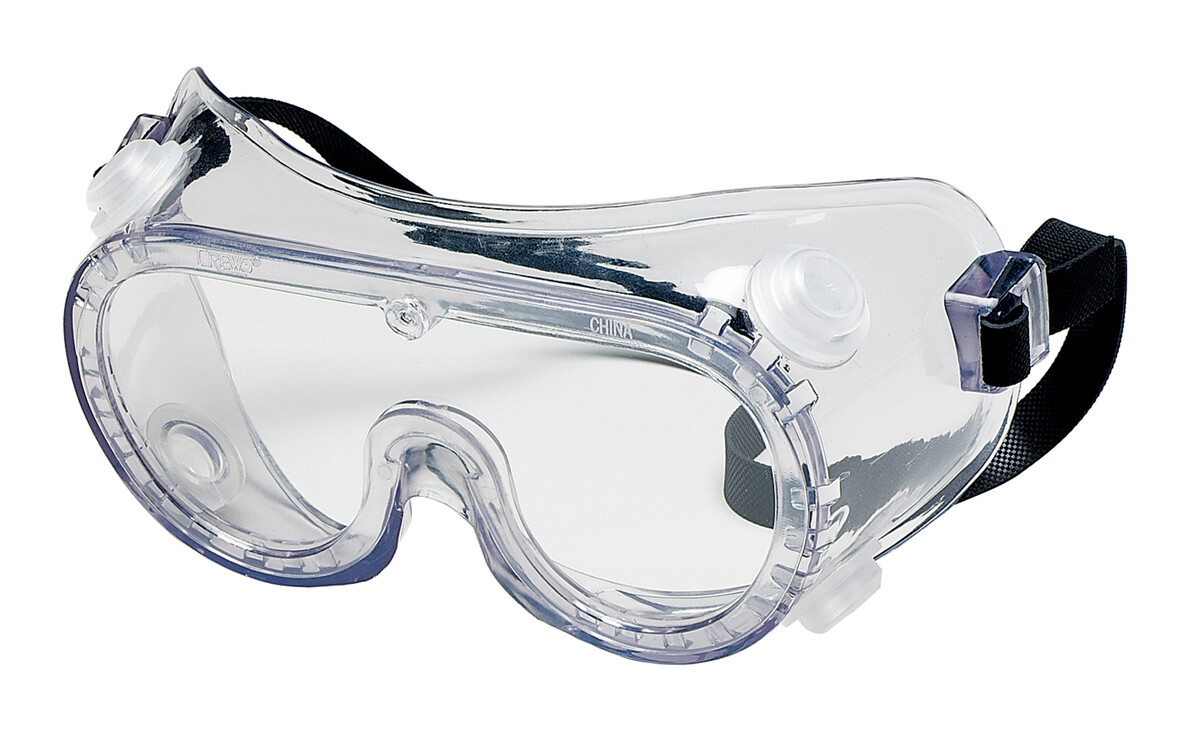
Electrical PPE acts as the last line of defense. Insulated gloves, safety shoes, and protective clothing can significantly reduce injury severity.
4. Inspect Electrical Systems Regularly
Regular inspection helps identify hidden faults such as damaged insulation, loose connections, and overheating components. Preventive maintenance is key to avoiding failures.
5. Avoid Working in Wet Conditions
Water is a strong conductor of electricity. Working in wet conditions increases the risk of electric shock dramatically.
6. Use Certified Tools and Equipment
Always use tools that are specifically designed for electrical work. Insulated tools reduce the risk of accidental contact with live circuits.
7. Ensure Proper Training and Supervision
Untrained workers are at the highest risk. Proper training programs and supervision are essential to ensure safe work practices.
Electrical Risk Assessment Table
| Task | Hazard | Risk | Control Measure |
|---|---|---|---|
| Repair work | Live current | Electric shock | Power isolation + LOTO |
| Tool usage | Faulty wiring | Burn injury | Equipment inspection |
| Wet conditions | Water contact | Fatal shock | Dry environment |
| Temporary wiring | Loose cables | Fire hazard | Secure installation |
Common Electrical Safety Failures
Many electrical accidents occur due to repeated unsafe behaviors. Workers often take shortcuts, ignore procedures, or rely on past experience instead of following safety protocols.
- Working on live circuits
- Ignoring LOTO procedures
- Using damaged cables
- Overloading circuits
- Lack of supervision
Electrical Safety Checklist
- ✔ Power supply turned OFF
- ✔ Lockout Tagout applied
- ✔ Voltage tested
- ✔ PPE worn
- ✔ Equipment inspected
- ✔ Work area dry
Conclusion: Control the Risk Before It Controls You
Electrical hazards are among the most serious risks in any workplace. However, with proper awareness, planning, and safety practices, these risks can be effectively controlled.
Every worker must take responsibility for safety. Following simple rules, using proper equipment, and staying alert can prevent life-threatening accidents.
Remember: electricity is powerful—but safety is more powerful when applied correctly.






.png)
)
0 Comments
Share your thoughts, experience, or safety tips related to this topic. Let’s learn from each other and build safer workplaces together.