


🌍 Climate Change & Workplace Safety: A 2026 Survival Guide
Climate change is no longer a future threat — it's a present danger. Rising temperatures, extreme weather, and unpredictable conditions are directly impacting worker safety across industries.

📑 Table of Contents
- Introduction
- Personal Experience
- Real Accident Case
- Critical Safety Rules
- Risk Assessment Table
- Common Mistakes
- Safety Checklist
- Recommended Safety Products
- FAQs
- Conclusion
🌡️ Introduction
In 2026, workplace safety is no longer just about machines and human error — climate change has become a major risk factor. From heatwaves in India to floods in industrial zones, workers are facing new dangers every day.
Industries most affected include construction, logistics, agriculture, and electrical maintenance. Without proper safety measures, these risks can turn deadly.
💔 Personal Experience (Powerful)
I still remember a scorching afternoon in Chennai. The temperature crossed 42°C. A worker collapsed near a construction site — not due to machinery failure, but due to extreme heat stress.
No proper hydration. No shaded rest area. No monitoring.
That moment changed everything. Climate isn't just weather anymore — it's a workplace hazard.
⚠️ Real Accident Case
Case: Heatstroke Death in Construction (India, 2024)
A 32-year-old construction worker collapsed after working 6 hours continuously under direct sunlight. The site had:
- No hydration station
- No heat safety training
- No break schedule
Result: Fatal heatstroke.
This tragedy could have been prevented with basic climate-aware safety planning.
🚨 Critical Climate Safety Rules
- ✅ Provide clean drinking water every 30 minutes
- ✅ Implement shaded rest zones
- ✅ Avoid peak heat working hours (12 PM – 3 PM)
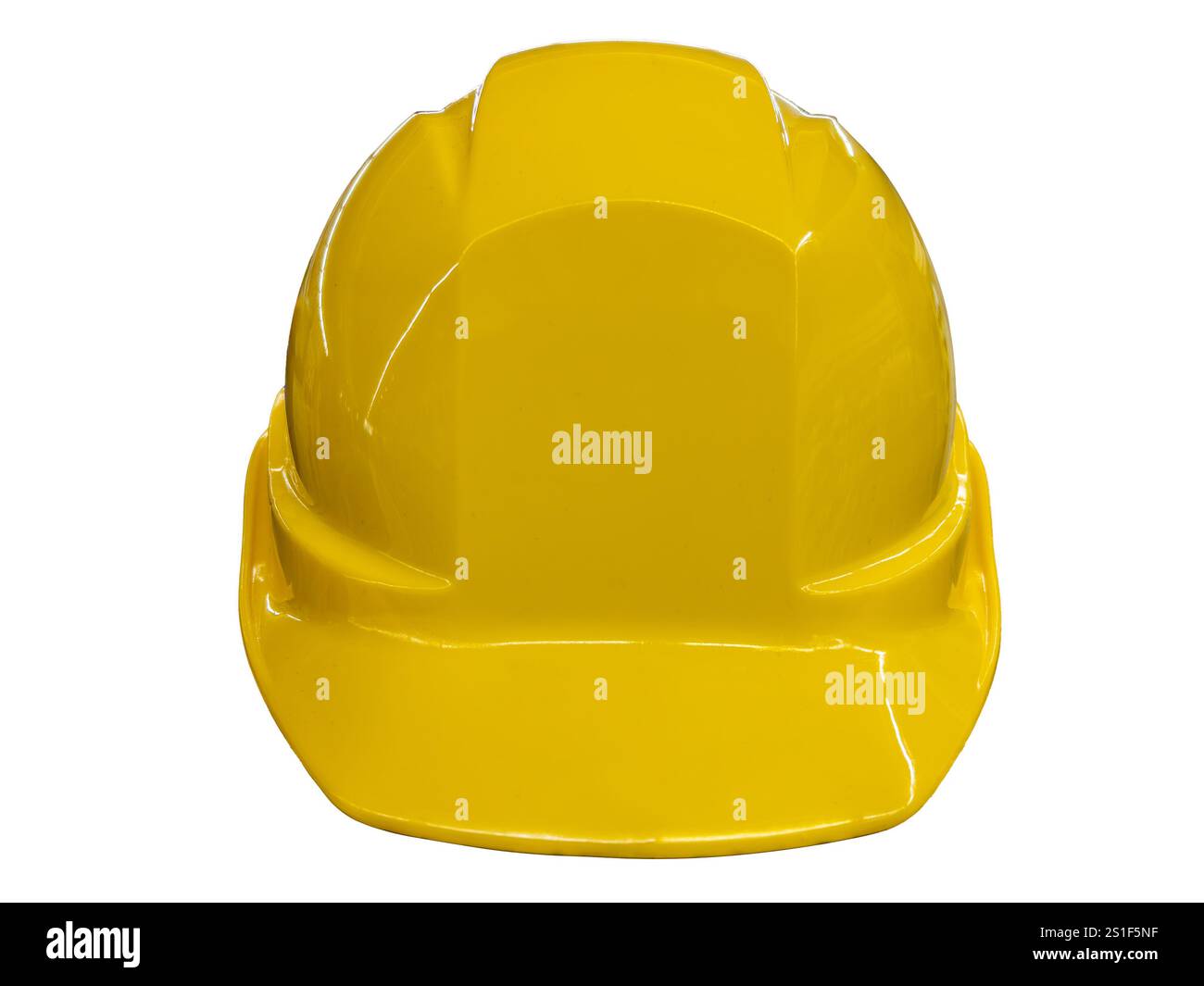
- ✅ Use heat-resistant PPE
- ✅ Train workers on heat stress symptoms
- ✅ Monitor weather forecasts daily
- ✅ Emergency response plan for extreme weather
📊 Risk Assessment Table
| Hazard | Impact | Risk Level | Control Measures |
|---|---|---|---|
| Extreme Heat | Heatstroke, dehydration | High | Hydration, breaks, PPE |
| Heavy Rain/Flood | Slips, electrocution | High | Drainage, insulation |
| Strong Winds | Falling objects | Medium | Secure equipment |
| Air Pollution | Respiratory issues | Medium | Masks, air monitoring |
❌ Common Mistakes to Avoid
- Ignoring weather warnings
- No hydration planning
- Overworking during heatwaves
- Lack of emergency preparedness
- Using outdated safety policies
✅ Workplace Safety Checklist
- ✔ Weather forecast checked daily
- ✔ Water stations available
- ✔ PPE provided and used
- ✔ Workers trained on climate risks
- ✔ Emergency contact ready
- ✔ Work-rest cycles implemented
💰 Recommended Safety Products (Affiliate)
Protect your team with these essential tools:
- 🛒 Cooling Safety Helmet with Ventilation
- 🛒 Industrial Hydration Backpack (2L)
- 🛒 High Visibility Reflective Vest
- 🛒 Portable Shade Canopy for Worksites
Disclaimer: As an Amazon Associate, I earn from qualifying purchases.
❓ FAQs
Q1: How does climate change affect workplace safety?
A: It increases risks like heat stress, flooding, and extreme weather hazards.
Q2: What is heat stress?
A: A condition caused by excessive heat exposure leading to dehydration, exhaustion, or even death.
Q3: Which industries are most affected?
A: Construction, agriculture, logistics, and outdoor labor sectors.
Q4: How can employers reduce risks?
A: By implementing safety training, providing PPE, and monitoring environmental conditions.
🏁 Conclusion
Climate change is silently reshaping workplace safety. The question is no longer "Is your workplace safe?" but "Is your workplace climate-ready?"
One decision — one safety rule — can save a life.
Act today. Protect tomorrow.
✍️ About the Author
Anwar Basha is a professional writer, safety awareness advocate, and data analyst specializing in real-world risk analysis. Through his blog, he aims to educate workers and organizations on life-saving safety practices.





.png)

0 Comments
Share your thoughts, experience, or safety tips related to this topic. Let’s learn from each other and build safer workplaces together.