Header Ads Widget

How to Identify Workplace Hazards: Step-by-Step Risk Assessment Guide for Safety Officers & Workers (2026 Global Edition)


Introduction

Workplace safety is a critical responsibility for every organization, whether it operates in construction, manufacturing, warehouses, offices, or industrial environments. Many workplace accidents occur not because of complex problems, but because hazards were not identified early or risks were not properly assessed. Even a small unsafe condition can lead to serious injuries, equipment damage, or loss of life if it is ignored.

Hazard Identification and Risk Assessment (HIRA) is a fundamental process used by safety officers, supervisors, and workers to detect potential dangers in the workplace before they cause harm. By systematically identifying hazards, evaluating their risk levels, and implementing effective control measures, organizations can prevent accidents and maintain a safe working environment.

A strong risk assessment process also helps companies comply with international safety standards and regulations while improving productivity and employee confidence. When workers feel safe, they are more focused, efficient, and motivated to perform their tasks.

In this guide, we will explain how to identify workplace hazards and perform a step-by-step risk assessment, including practical examples and best practices that safety professionals can apply in real-world workplaces.

Understanding Workplace Hazards

A hazard is anything that has the potential to cause harm, injury, illness, or damage to equipment or property.

Common workplace hazards include:

Unsafe machinery or tools
Slippery floors or obstacles
Electrical faults
Exposure to chemicals or dust
Excessive noise or vibration
Poor ergonomics or repetitive movements

Risk assessment evaluates how likely the hazard is to cause harm and how severe the consequences could be.


Personal Protective Equipment in Hazard Control

Personal Protective Equipment (PPE) plays an important role when hazards cannot be fully eliminated. Common PPE includes:

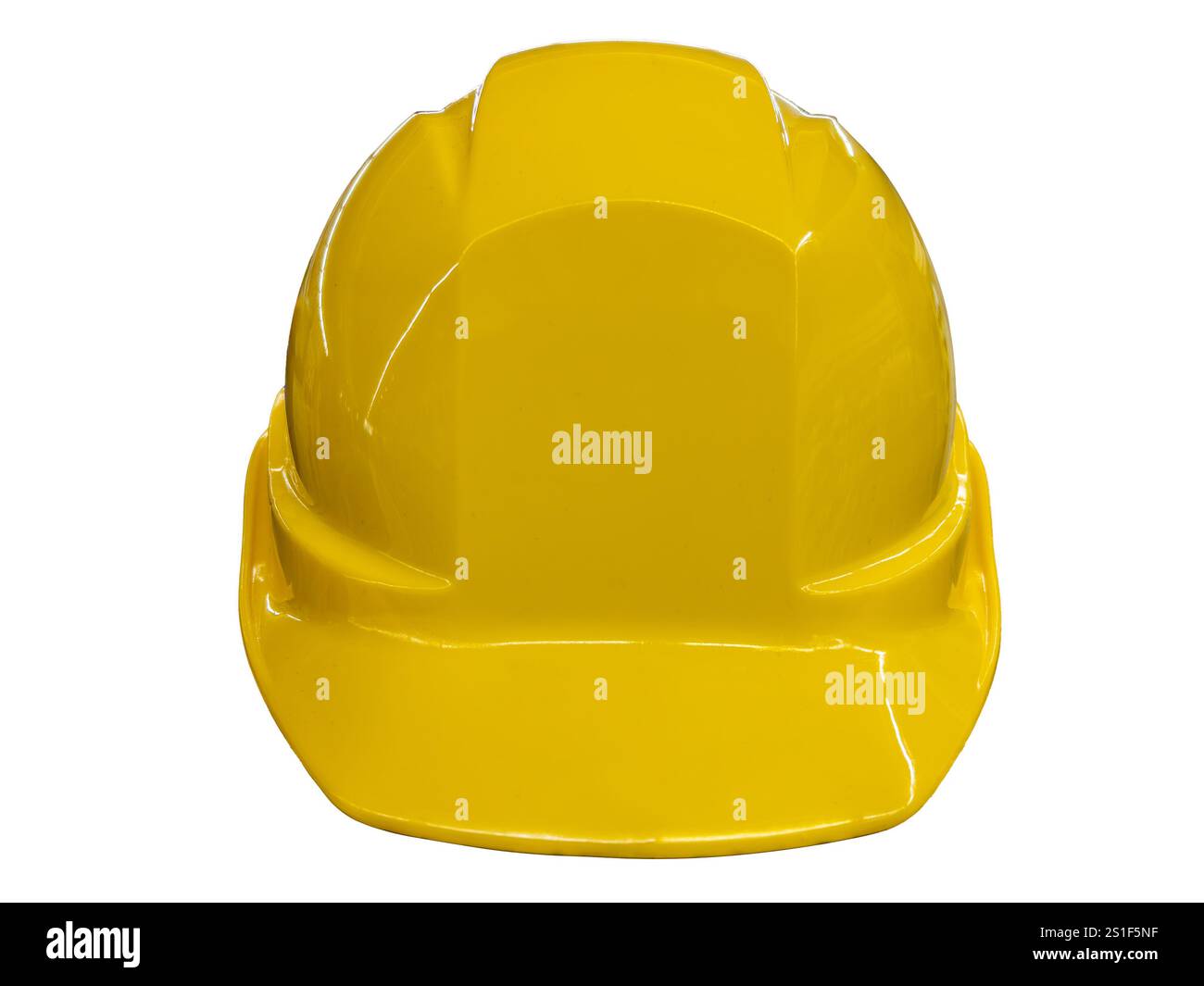
Safety helmets
Protective gloves
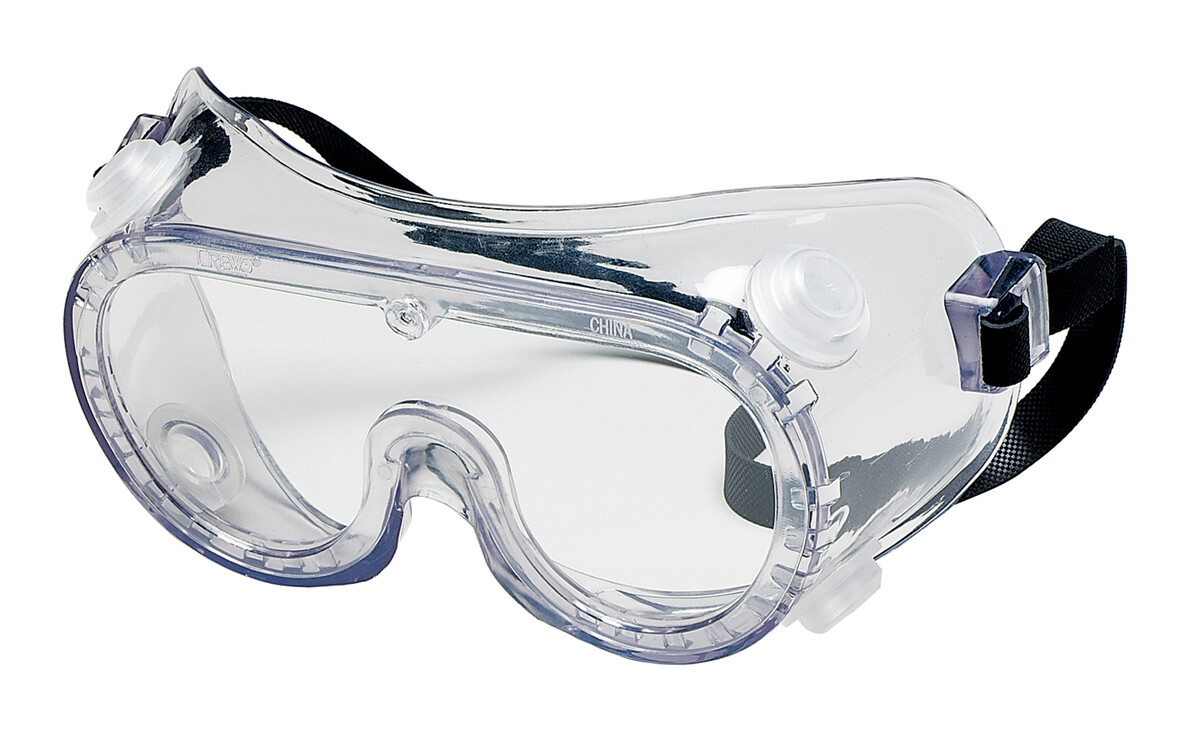
Safety goggles
Respirators or masks
High-visibility clothing
Safety boots

Employers must assess workplace hazards and provide appropriate PPE to workers while also training them on proper usage.


Step-by-Step Hazard Identification Process

Step 1: Inspect the Workplace

The first step in hazard identification is conducting a thorough workplace inspection.

Safety officers should examine:

Workstations and production areas
Machinery and tools
Electrical systems
Storage areas
Emergency exits and fire equipment

Workers should also participate in inspections because they often notice hazards during daily tasks.


Step 2: Identify Different Types of Hazards

Hazards generally fall into several categories.

1. Physical Hazards

Examples include:

Noise
Extreme temperatures
Moving machinery
Falling objects

2. Chemical Hazards

These include exposure to:

Toxic gases
Industrial chemicals
Flammable liquids

3. Biological Hazards

Examples include:

Viruses or bacteria
Mold
Contaminated waste

4. Ergonomic Hazards

These arise from poor workstation design such as:

Heavy lifting
Repetitive movements
Poor posture

Step 3: Evaluate the Risk Level

Once hazards are identified, the next step is risk assessment.

Risk is determined by two factors:

Likelihood – How likely the hazard will cause an accident
Severity – How serious the injury or damage could be

A risk matrix is commonly used to categorize risks as:

Low Risk
Medium Risk
High Risk
Critical Risk

High-risk hazards must be addressed immediately.


Step 4: Implement Control Measures

After assessing risks, appropriate control measures should be implemented.

The Hierarchy of Controls is the best method for hazard control:

Elimination – Remove the hazard completely
Substitution – Replace the hazard with a safer option
Engineering Controls – Install safety guards or barriers
Administrative Controls – Create procedures or training
PPE – Provide protective equipment

Engineering controls and elimination methods are usually the most effective.


Step 5: Document the Risk Assessment

Proper documentation is essential for compliance and safety management.

A risk assessment report typically includes:

Identified hazards
Risk level rating
Control measures implemented
Responsible safety personnel
Review date

Documentation also helps organizations track improvements in safety performance.


Step 6: Monitor and Review the Workplace

Workplaces constantly change due to:

New machinery
Process modifications
New workers
Environmental changes

Therefore, hazard identification must be a continuous process, not a one-time activity. Regular inspections and safety audits help maintain workplace safety.


Practical Example of Hazard Identification

Example: Construction Site


Benefits of Hazard Identification and Risk Assessment

Implementing a strong HIRA process provides many benefits:

Prevents workplace injuries and fatalities
Improves worker productivity and morale
Reduces legal liabilities and compensation claims
Enhances safety culture in the organization
Ensures compliance with safety regulations

A proactive safety approach saves both lives and operational costs.


Conclusion

Hazard identification and risk assessment are the foundation of an effective workplace safety program. By systematically inspecting the workplace, identifying hazards, evaluating risks, and implementing control measures, organizations can significantly reduce accidents and create a safer work environment.

Safety officers, supervisors, and workers must work together to ensure hazards are reported, risks are controlled, and safety procedures are followed at all times.

A safer workplace begins with awareness, responsibility, and continuous improvement.


Post a Comment

0 Comments

Latest Safety Articles heading block.

Latest Safety Articles

Translate