


Introduction
Every workplace talks about productivity. Targets, deadlines, output, and profits dominate daily conversations.
But when an accident happens, everything stops.
In a few seconds, a missing helmet, an unused glove, or a forgotten harness can change a life forever.
That is where Personal Protective Equipment (PPE) becomes more than just a rule — it becomes a lifesaver.
Whether in construction sites, warehouses, factories, hospitals, or maintenance work, PPE is the final shield between a worker and serious injury.
This article explains every type of PPE, why it matters, and how proper use prevents accidents, based on real-world safety practices.
What is PPE?
Personal Protective Equipment (PPE) refers to clothing or equipment worn to protect workers from hazards that cannot be eliminated through engineering or administrative controls.
PPE protects against:
- Falling objects
- Flying particles
- Chemical splashes
- Toxic gases
- Loud noise
- Electrical shock
- Slips and falls
- Fire and heat
- Biological risks
It is called the “last line of defense” because it is used after:
- Hazard elimination
- Substitution
- Engineering controls
- Administrative controls
If all other protections fail, PPE protects the human body.
Why PPE is Critical in Every Workplace
Many injuries occur not because safety equipment is unavailable, but because:
- Workers feel “it’s just a small task.”
- PPE feels uncomfortable
- Lack of awareness
- Overconfidence
- Poor supervision
Unfortunately, accidents don’t give warnings.
A small metal piece can blind an eye. A falling bolt can fracture a skull. A chemical splash can permanently burn skin.
One second without PPE can cause lifetime consequences.
That’s why safety professionals always say:
Safety is not optional. PPE is not negotiable.
Types of PPE and Their Importance
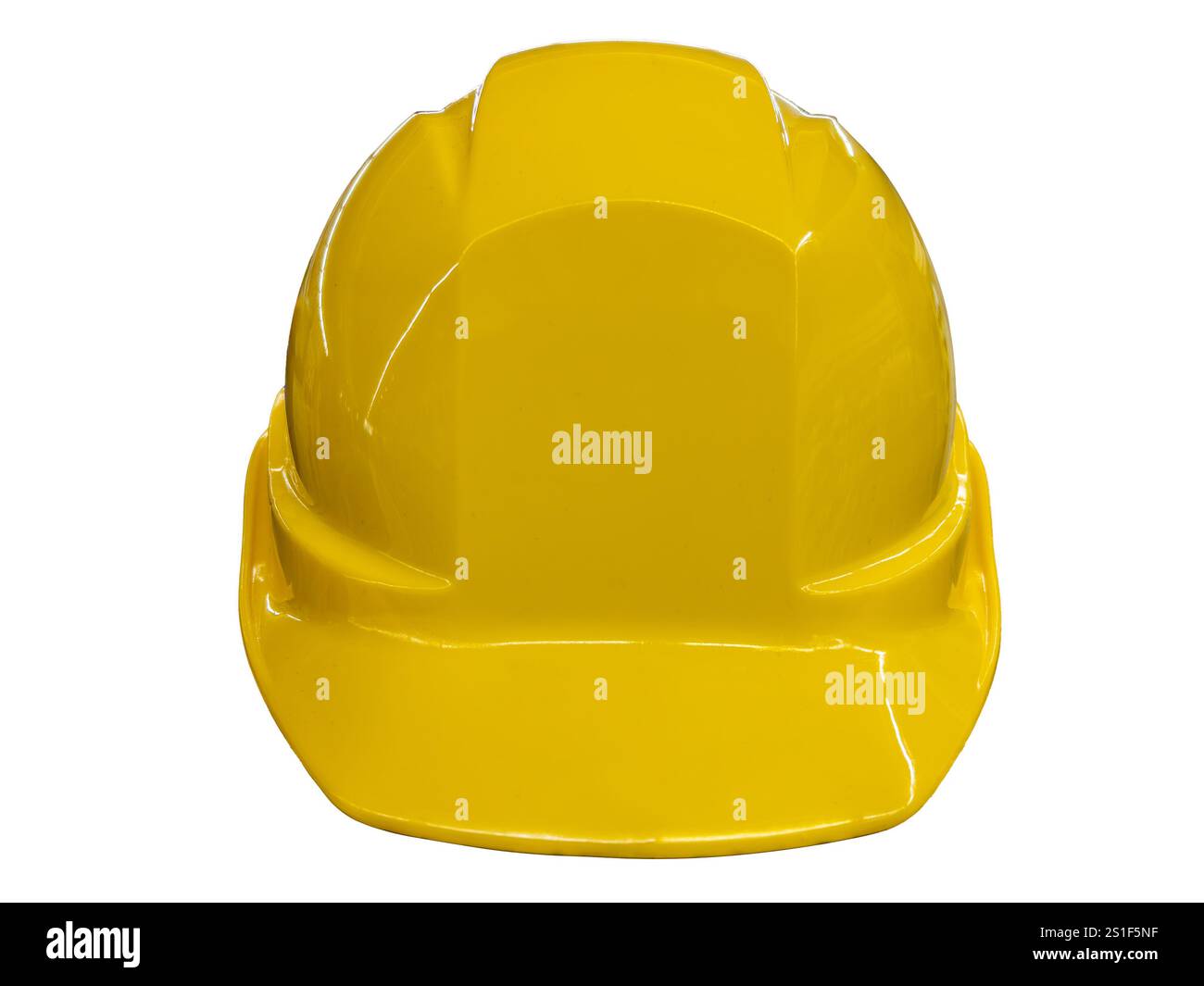
1. Head Protection
Head injuries are among the most serious workplace accidents.
Safety helmets or hard hats protect workers from:
- Falling tools
- Materials dropping from height
- Head collisions
- Electrical contact
Industries such as construction, warehouses, and maintenance areas must always enforce helmet use.
Even a small falling object can become deadly due to gravity and impact force.
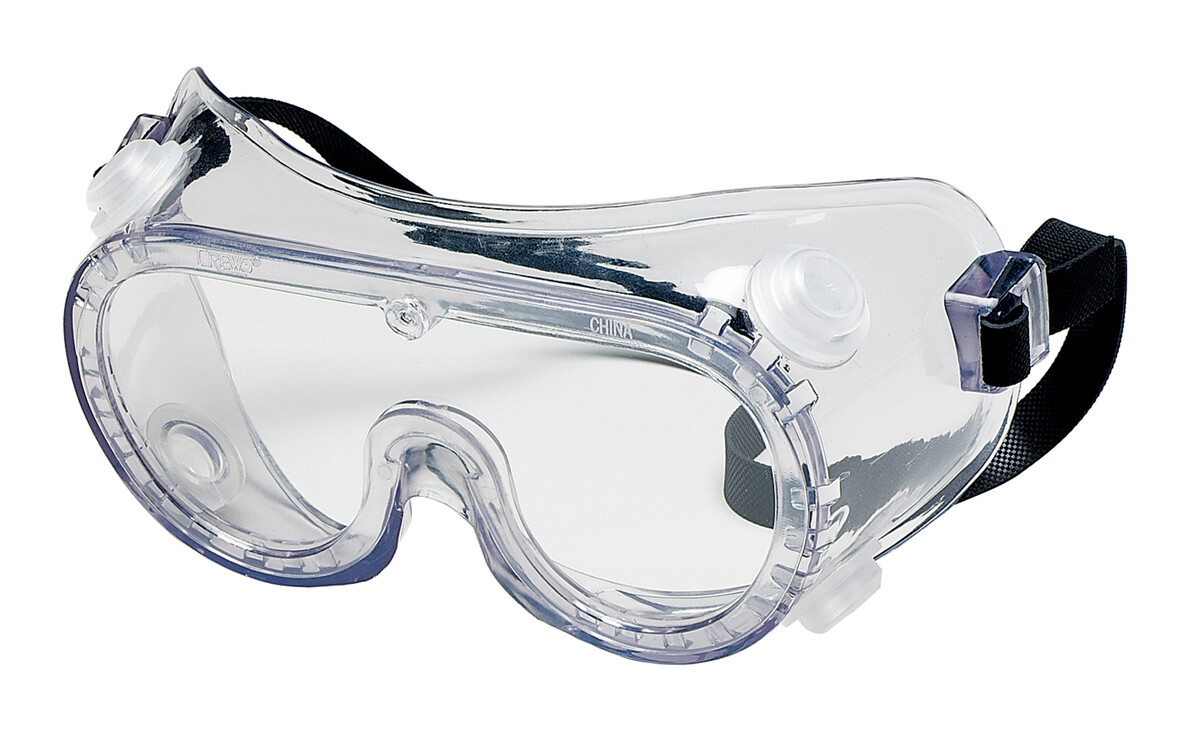
2. Eye and Face Protection
Eyes are extremely sensitive and irreplaceable.
Common hazards include:
- Grinding sparks
- Flying dust
- Chemical splashes
- Welding radiation
- Wood or metal particles
Safety glasses, goggles, face shields, and welding helmets prevent permanent vision loss.
In many industries, just one second of exposure can cause blindness.
Protecting eyesight should always be a top priority.
3. Hearing Protection
Noise damage is slow but permanent.
Continuous exposure above safe limits can cause:
- Hearing loss
- Ringing in the ears
- Reduced concentration
- Long-term disability
Earplugs and earmuffs reduce noise levels significantly.
Factories, generators, heavy equipment areas, and airports require hearing protection daily.
Unlike other injuries, hearing damage cannot be reversed.
4. Respiratory Protection
Breathing contaminated air is one of the most dangerous invisible hazards.
Workers may inhale:
- Dust
- Cement particles
- Toxic gases
- Paint fumes
- Chemical vapors
- Smoke
Masks, respirators, and breathing apparatus protect lungs from long-term diseases such as asthma, silicosis, or chemical poisoning.
Clean air equals healthy lungs. Healthy lungs equal long careers.
5. Hand Protection
Hands perform most workplace tasks, making them highly vulnerable.
Common injuries include:
- Cuts
- Burns
- Chemical contact
- Electrical shock
- Crushing
Different gloves are designed for different risks:
- Leather for heavy work
- Chemically resistant to acids
- Cut-resistant for sharp objects
- Insulated for electrical tasks
Choosing the wrong glove is as dangerous as wearing none.
6. Foot Protection
Feet carry body weight all day and face multiple hazards.
Risks include:
- Falling objects
- Slips and falls
- Sharp materials
- Chemical spills
- Electrical hazards
Safety shoes with steel or composite toes protect from serious fractures.
Anti-slip soles prevent accidents on wet floors.
Proper footwear improves both safety and comfort.
7. Body Protection
The body needs full coverage in many environments.
High-visibility vests help workers stay seen near traffic or heavy machinery.
Coveralls protect against dust and grease.
Flame-resistant clothing reduces burn injuries.
Chemical suits prevent exposure to toxic substances.
The right clothing can mean the difference between minor exposure and severe injury.
8. Fall Protection
Working at height remains one of the leading causes of workplace fatalities worldwide.
Fall protection equipment includes:
- Full-body harnesses
- Lanyards
- Lifelines
- Anchors
Even a fall from 2 meters can cause serious injuries.
Properly fitted and inspected fall protection systems save countless lives every year.
No shortcut is worth a fall.
Common PPE Mistakes Workers Make
Even when PPE is available, mistakes happen:
- Wearing damaged equipment
- Not adjusting properly
- Removing PPE for comfort
- Sharing contaminated items
- Using expired respirators
- Ignoring inspections
Safety fails when discipline fails.
PPE only works when worn correctly and consistently.
PPE is Not Just Equipment—It's a Safety Culture
Providing PPE is easy.
Creating a safety mindset is harder.
True safety culture means:
- Training workers regularly
- Supervisors enforcing rules
- Management supporting safety
- Workers protecting each other
When everyone takes responsibility, accidents reduce dramatically.
Because safety is not about rules. It’s about caring for human lives.
Conclusion
At the end of every shift, the most important goal is simple:
Everyone goes home safe.
Helmets, gloves, glasses, shoes, and harnesses may seem small.
But together, they create a powerful shield between workers and danger.
Personal protective equipment is not just a requirement written in manuals.
It is protection for families, futures, and lives.
Wear it. Respect it. Never ignore it.
Because one small piece of PPE can save an entire life.





.png)
0 Comments
Share your thoughts, experience, or safety tips related to this topic. Let’s learn from each other and build safer workplaces together.